Table of contents
- Possessive boyfriend meaning
- Why Boyfriend becomes possessive
- Signs of possessive boyfriend
- 1. Сontrolling you
- 2. Your partner stalks you
- 3. Your partner often threatens to self-harm
- 4. Do not respect your personal boundaries
- 5. Tries to sabotage your friendships
- 6. Your partner blackmails you
- 7. Want to be involved in all your decisions
- 8. Your partner makes you feel intimidated
- 9. Partner who always wants you around
- 10. Dictate what you wear
- 11. Constantly accuse you of cheating
- 12. Possessive partner has issues with everyone in your circle
- 13. Gets angry when you don’t answer their calls or texts
- How to deal with possessive boyfriend
- 1. Communicate openly
- 2. Build trust
- 3. Set boundaries
- 4. Encourage independence
- 5. Practice self-reflection
- When possessiveness becomes dangerous
- Conclusion
Possessive boyfriend meaning
If your boyfriend is possessive, he’s likely afraid of losing you, which can lead to controlling and jealous behavior. He might try to isolate you from your friends and family, or keep you away from other men.
It’s normal for people to feel a certain amount of possessiveness over their partner, and most of us do. For example, if someone starts flirting with your partner in front of you, you’d probably get annoyed. But an overpossessive boyfriend can take this too far.
A possessive boyfriend doesn’t always mean a toxic boyfriend. Someone who’s possessive might just want to spend lots of time with you, or worry about losing you. However, sometimes a partner can become overpossessive and controlling.
If your boyfriend is overly possessive, you might feel scared of him or worry that he’ll get upset if you spend time apart. If this sounds familiar, you’re not alone. In the US, 1 in 6 women and 1 in 19 men experienced stalking in their lifetime that made them fear for their and their family’s security.
Why Boyfriend becomes possessive
Your boyfriend might be overpossessive because of past experiences or because he has low self-esteem. Alternatively, he might be accustomed to controlling others in his professional life, and that behavior bleeds over into your relationship.
Why is my boyfriend so possessive?
- He had bad experiences in past romantic relationships. Has he been cheated on by previous partners?
- He has experienced trauma. Maybe a family member died in a preventable accident, and he wants to protect you from similar dangers.
- He is insecure. He may think that he’s not good enough for you, and that you’ll leave him.
- You’ve been unfaithful in the past. He might worry that you’ll cheat again.
- He’s lonely. If he doesn’t have close friends or family, he might want to spend all his time with you.
- He has a controlling personality. For example, if he’s in a high-powered career or gives lots of orders in his professional life, he might simply be used to acting like this.
Most of the time, possessive boyfriends don’t seem controlling at the start of a relationship. After all, if you spot common red flags in a very new relationship, you’d probably leave immediately. However, many toxic partners only show their abusive behavior later on, when you’re in a committed relationship. By then, you might live together, share finances, or even have children with him, so it’s much harder to break up.
Whatever the reasons behind your boyfriend’s actions, possessive behavior can be abusive. If he keeps you away from your friends, intentionally intimidates you, or spies on you through your phone, this is emotional abuse.
Signs of possessive boyfriend
If your boyfriend is overpossessive, he might try to make decisions for you and refuse to respect your personal boundaries. Some possessive boyfriends will monitor your phone, accuse you of cheating, or have problems with your friends or family. He might threaten to harm himself if you don’t do what he says, so you give in and let him have his way.
In this article, we’re talking about possessive boyfriends, but this behavior can happen in any relationship. Whether your boyfriend is overpossessive, your girlfriend refuses to let you spend time with your family, or your husband stalks you, it’s not okay. Possessive behavior can be abusive.
1. Сontrolling you
A possessive boyfriend might try to control every aspect of your life. Maybe he chooses where you go, who you spend time with, or even what you eat. You might feel totally trapped, as though you’re not in charge of your own life.
Some controlling boyfriends will install spyware on your phone to check that you’re following their rules. These apps might share your location and let him see what websites you visit. They might even let him access your camera or microphone, so he can see and hear you through your phone.
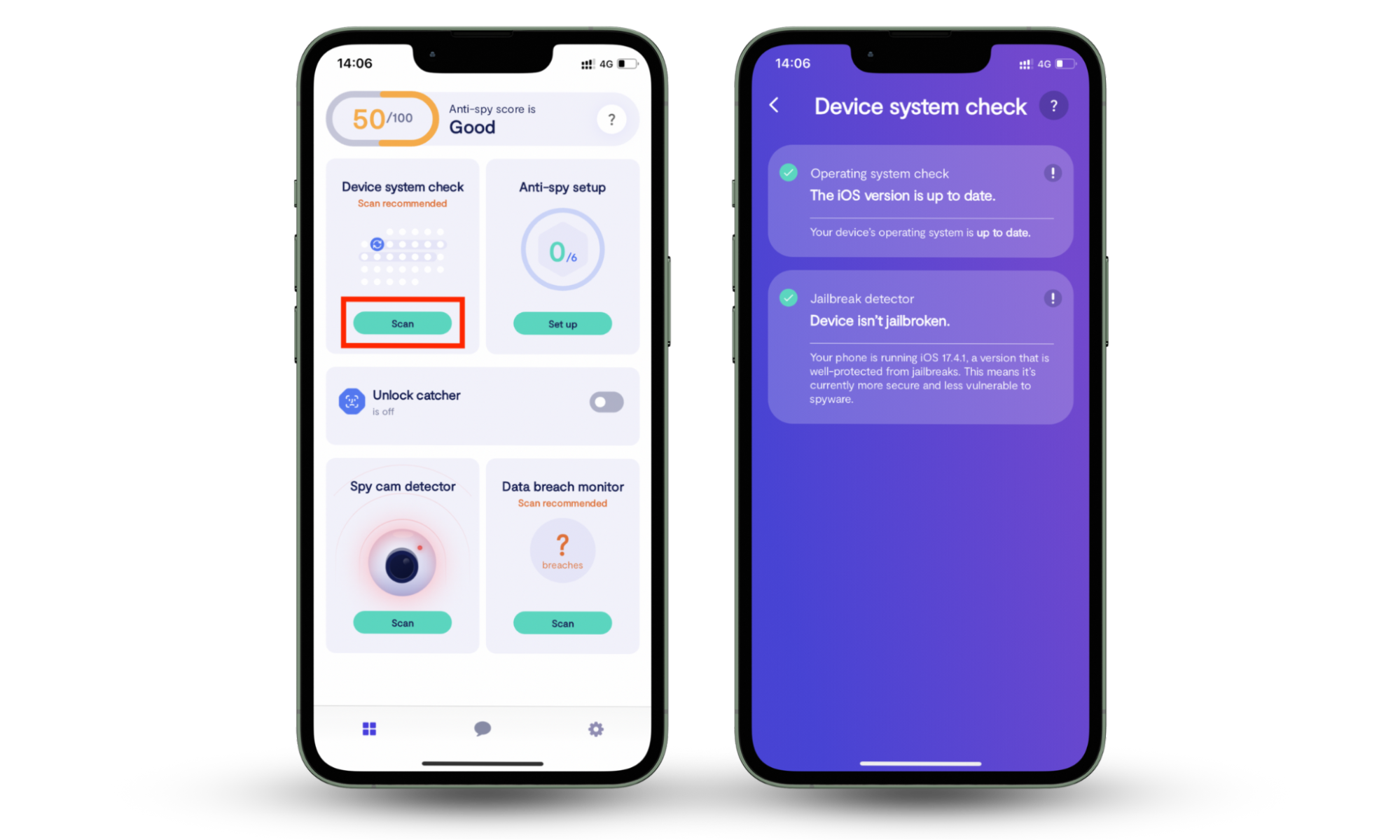
You might think that your phone’s built-in security settings will stop this, especially if you use an iPhone. After all, iOS is well-known for its strong privacy protections. However, an abusive partner could jailbreak your phone, meaning you don’t have those defenses.
Clario Anti Spy’s Device system check can look for signs of a jailbreak, so you know whether your phone is still protected. It’ll also look for system updates to keep your phone as safe as possible.
How to check for a jailbreak on your phone:
- Download Clario Anti Spy and get a subscription.
- Under Device system check, tap Scan.
2. Your partner stalks you
A possessive boyfriend might stalk you. Some controlling partners will follow you when you’re with your friends, or insist on checking your phone.
Does your boyfriend know information that you’ve only shared with friends in private conversations? Have you found monitoring apps on your phone? If so, he could be spying on you.
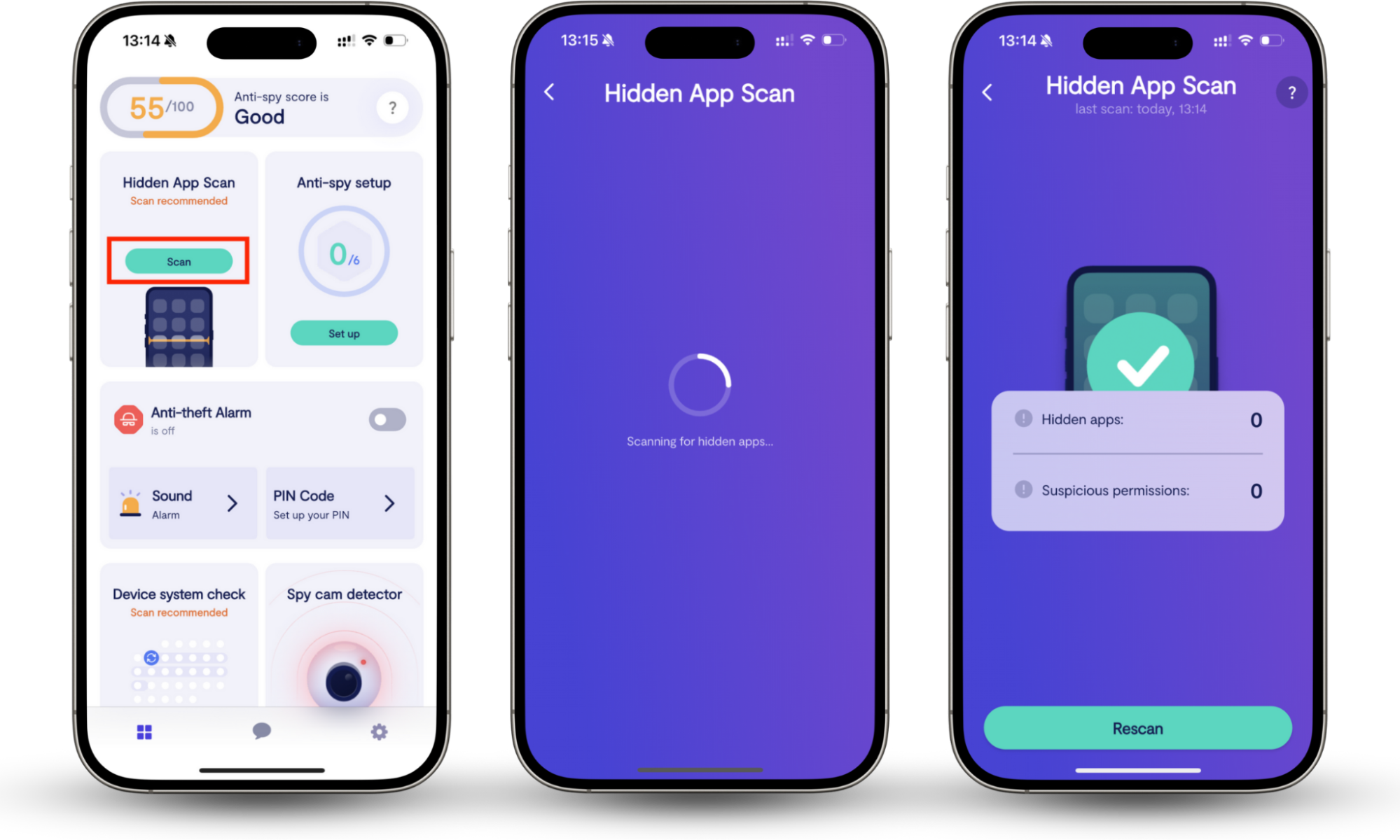
Spy apps are often hidden on your phone. They won’t show up on your home screen. However, Clario Anti Spy’s Hidden app scan can help you find them, so you know whether someone is spying on you. It’ll also alert you to apps with suspicious permissions, so you can see which applications can access your camera, microphone, and location.
If you’re worried that someone’s spying on you, you’re not alone. Recently, the Clario team spoke with a customer who was experiencing difficulties with her partner. He seemed to know exactly who she was talking to and when. She ran a Hidden app scan and found an app that was constantly running, monitoring what she was doing.
Here’s how you can check for hidden apps on your phone:
- Download Clario Anti Spy and set up a subscription.
- Under Hidden app scan, tap Scan.
3. Your partner often threatens to self-harm
If your partner threatens self-harm, this is one of the biggest warning signs that he wants to control you. Encourage him to seek help.
Threatening self-harm and suicide is a serious matter. Either he’s using it as a dangerous way to control you, or he’s struggling with his mental health.
4. Do not respect your personal boundaries
A possessive boyfriend might walk all over your boundaries. He might refuse to let you have time to yourself, or insist on reading your texts, even when you’ve told him to stop.
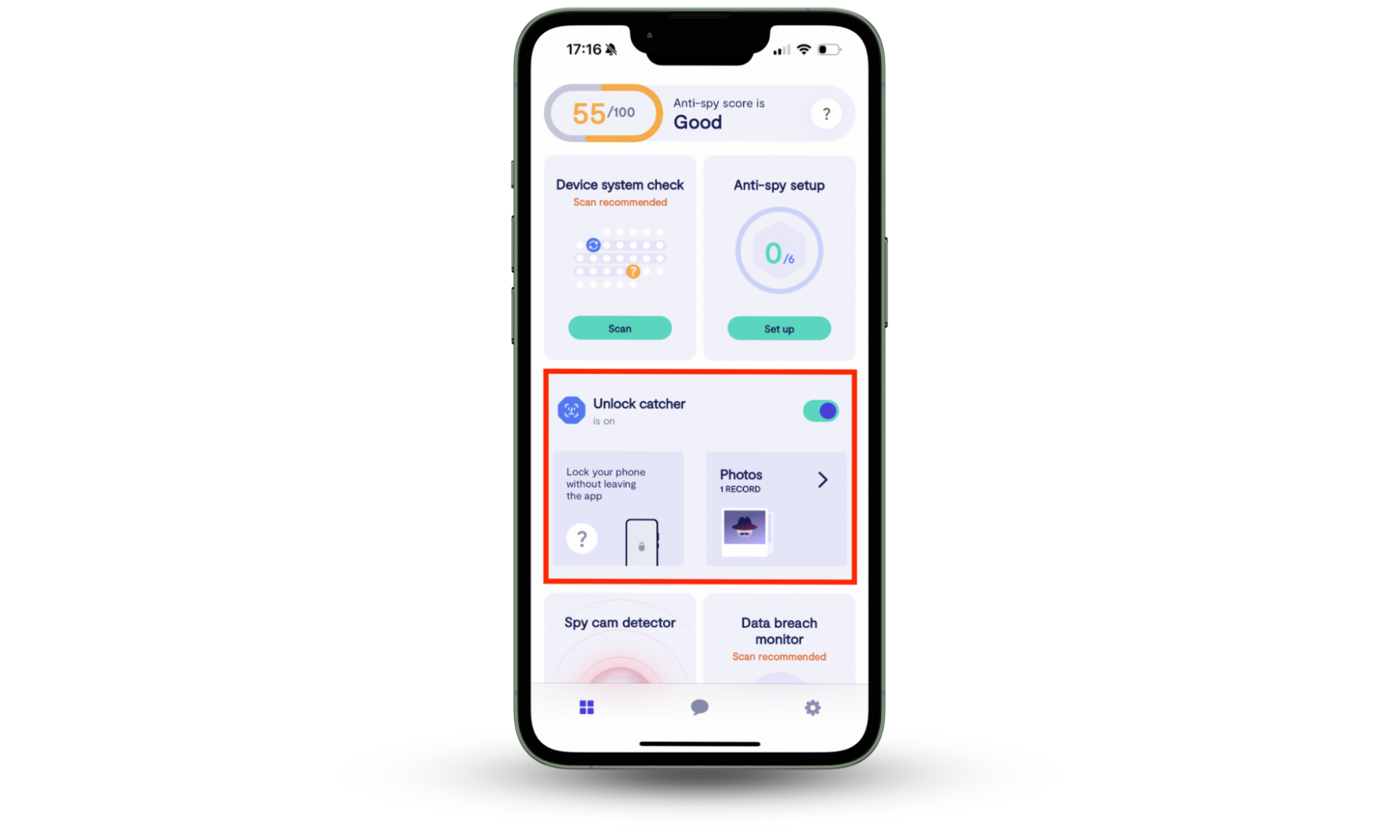
Wondering if he’s checking your phone? Clario Anti Spy’s Unlock catcher can help you here. When someone unlocks your phone, the app will discreetly take a photo, so you can see who’s been accessing it.
How to check if your possessive boyfriend is spying on your phone:
- Download Clario Anti Spy and set up a subscription.
- Enable the Unlock catcher, and then lock your phone as normal.
- When you come back to your phone, check the Unlock catcher’s Photos.
5. Tries to sabotage your friendships
Possessive boyfriends often want to isolate their partners from friends and family. He might criticize your friends or discourage you from spending time with them. He might even make up negative stories about them, or refuse to pass on messages, so your friends think you’re ignoring them.
Why is your boyfriend trying to sabotage your relationships with friends and family?
- He’s insecure and worries that you’ll cheat on him
- He wants you to spend more time with him, not with other people
- He doesn’t want them to encourage you to leave
6. Your partner blackmails you
A controlling and possessive partner might threaten to reveal your secrets. Over the years, you’ve probably shared secrets and other intimate information with your boyfriend. An abusive partner might threaten to share your secrets if you leave him or if you don’t do what he says.
7. Want to be involved in all your decisions
Some possessive boyfriends want to get involved with all your decisions. Even if it doesn’t affect him, your boyfriend might want you to consult him about every choice you make. He might think that he knows better than you, but you deserve to make decisions about your life.
8. Your partner makes you feel intimidated
Are you scared of your boyfriend? He might shout or get angry a lot, or get in your face during an argument.
Some possessive boyfriends want to intimidate their partners to control them. He might want to stop you from going out without him or make sure that you follow his rules. Whatever his reasons are, it’s not okay for your boyfriend to intimidate you.
9. Partner who always wants you around
It’s lovely to have a partner who wants to spend time with you, but a possessive boyfriend can take this too far. He might insist on spending all of your time together, or constantly call or text when you’re apart.
Do you remember the last time you went out without your boyfriend? If you can’t, this could be a sign that you’re in a possessive relationship.
10. Dictate what you wear
Some possessive boyfriends want to control what their partners wear. He might select clothes for you, or insist on checking your outfit before you go out. He might even throw away or destroy clothes that he doesn’t like.
11. Constantly accuse you of cheating
One of the most common warning signs of a possessive boyfriend is that he’ll accuse you of cheating. Even if you’re completely innocent, he’ll keep on insisting that you must be betraying him.
Remember, his insecurity isn’t your fault. He might tell you that his paranoia is a sign of love, but it isn’t. Constant accusations and monitoring are signs of emotional abuse, not love.
12. Possessive partner has issues with everyone in your circle
Does your boyfriend have problems with pretty much everyone you know? If your parents, siblings, and friends all hate him, ask yourself why.
Your friends and family might have noticed his controlling behavior, and don’t approve. Alternatively, he might deliberately alienate them to keep you isolated. After all, a possessive boyfriend wants you all to himself.
13. Gets angry when you don’t answer their calls or texts
Overpossessive boyfriends often get angry when you don’t answer their messages or calls. Even if you’re at work or school, he might expect you to respond immediately.
If your partner gets angry over a missed call or text, this is a big red flag, especially if you have a genuine reason for not answering.
How to deal with possessive boyfriend
If you notice that your partner is being overpossessive, you should talk to him; he may not have realized what he’s doing. Reflect on your own behavior, and discuss how you can establish mutual trust and set boundaries with each other. Encourage him to enjoy spending time alone or trying new hobbies, especially if he’s possessive because he’s feeling isolated or down.
However, not all relationships can be salvaged. If you’re worried about your safety, make plans to leave.
1. Communicate openly
Your boyfriend might not realize that he’s acting in a possessive way. Talk to him about how his behavior makes you feel. Give specific examples of his unacceptable behavior.
Encourage him to examine his own feelings as well. If he’s been through trauma in the past, encourage him to talk to a counselor so that he can move on from his toxic behavior.
2. Build trust
Continue to show your boyfriend that he can trust you. Keep your promises, and be transparent with him where possible.
Your boyfriend might say that he can only trust you if he monitors your phone, reads your emails, or tracks your location. Don’t let him. This will only encourage his controlling behavior.
3. Set boundaries
Set boundaries with each other. Talk about what behaviors are acceptable and what you won’t tolerate.
Be careful that your boyfriend doesn’t try to manipulate you through boundary-setting. For example, he can’t request that you stop seeing your friends and family as a boundary.
4. Encourage independence
Some possessive boyfriends behave inappropriately because they’re lonely or isolated. If your partner doesn’t have many hobbies or friends, encourage him to make some changes to his life and find a new focus.
5. Practice self-reflection
Reflect on your feelings about the relationship. Do you believe that it’s worth saving?
If your boyfriend wants to fix his behavior, that’s great. However, it’s also okay for you to decide that you’re done, especially if you’re scared of him or worried that he’ll become physically violent.
When possessiveness becomes dangerous
A possessive boyfriend can become emotionally abusive and toxic. At first, he might simply want to spend more time with you, or ask who you’re messaging. These small requests can open the door to more dangerous behavior. Soon, he might be monitoring your calls and isolating you from your friends.
To work out if your possessive boyfriend is dangerous, ask yourself these questions:
- Does he stalk me or monitor my phone, emails, or phone calls?
- Has he stopped me from spending time with my friends or family?
- Does he get furious?
- Has he ever threatened violence or physically hurt me?
- Am I scared of him?
If you’ve answered yes to any of these, your boyfriend could be dangerous. For your own safety, you should consider breaking up with him. To get support with leaving an abusive relationship, call 800-799-SAFE (7233) or visit the National Domestic Violence Hotline.
Remember, call 911 if you’re in immediate danger.
Plan how you’re going to end your relationship. If you’re worried that he’ll get angry, talk to him in a public place. Confide in a friend or family member, so they can support you.
Remember why you decided to break up with him, and don’t let him convince you to stay. Your boyfriend might try to guilt you into staying. He may threaten to hurt himself, or tell you that you’re over-reacting.
Make sure you have a place to go after you’ve broken up with him. If you need to get away, can you stay with friends or family?
If your boyfriend continues to stalk or harass you after the break-up, call the police. You could also contact a local solicitor to arrange a restraining order, so your ex can’t torment you anymore.
Your safety is the top priority. Ending a controlling relationship can be hard, but if your boyfriend’s possessive behavior is escalating, you need to leave for your own safety.
Conclusion
A possessive boyfriend might be afraid of losing you. He may have had bad experiences in the past, or he could be very insecure. If you’re worried about your safety or think that he might become dangerous, it’s best to leave.
Watch out for signs like constant jealousy, attempting to alienate you from friends or family, getting angry if you don’t answer his calls, or threatening to hurt himself if you spend time away from him. He might even try to spy on your phone. If you’re worried that he’s spying on you, use Clario Anti Spy to check whether he’s monitoring you.