Table of contents
- Is blocking your ex a good idea?
- Block if you want emotional safety
- Don’t block if your goal is reconciliation
- Block immediately if there’s harassment or stalking
- Should I block my ex during no contact?
- Blocking vs silent no contact
- The psychology behind blocking during no contact
- Should I delete my ex’s number instead of blocking?
- Should I block my ex on social media, too?
- How does your ex feel when you block them?
- If they’re anxious attached
- If they’re avoidant
- If they’re manipulative
- What is the 72-hour rule after a breakup?
- What is the 65% rule of breakups?
- Will blocking my ex make them miss me?
- The myth of strategic blocking
- Reasons why exes come back
- When is blocking your ex absolutely necessary?
- Could your ex be monitoring your phone?
- Signs of digital surveillance
- Run anti-spyware software
- What happens technically when you block someone’s phone number?
- Special circumstances
- Co-parenting
- Shared finances or logistics
- Workplace overlap
- Verdict: Should I block my ex's phone number?
Is blocking your ex a good idea?
Blocking can be a smart boundary, but it works best when you use it to protect yourself, not to control your ex’s reaction. Before you decide, ask yourself one question: what are you trying to achieve?
Block if you want emotional safety
Block your ex if contact keeps you stuck in a loop. For many people, one message resets healing progress to day one.
Signs blocking will help you:
- You keep checking your phone and feel anxious waiting for a message.
- You relapse emotionally every time they text, even if it’s just to talk.
- You keep re-reading old messages and spiraling.
- You can’t focus, sleep, or regulate your mood when they have access to you.
My advice
If contact destabilizes your nervous system, blocking isn’t dramatic. It’s self-protection.
Don’t block if your goal is reconciliation
If your goal is reconciliation, blocking can backfire, especially in certain dynamics. It can read as a punishment, escalate defensiveness, or trigger a power struggle.
Consider not blocking if:
- You can maintain calm boundaries without engaging.
- You share important logistics and need a functional channel.
- You want to avoid creating drama and prefer quiet distance.
That said, reconciliation only works when both people show consistent effort. Blocking or not blocking doesn’t create growth.
Block immediately if there’s harassment or stalking
If your ex violates boundaries or scares you, skip the debate. Blocking becomes a safety measure.
Block now if you notice:
- Repeated calls or texts after you asked them to stop.
- Threats, insults, guilt trips, or intimidation.
- Accidental run-ins that don’t feel accidental.
- Monitoring behavior and digital boundary violations.
If you suspect stalking patterns, learn why men stalk their exes.
Should I block my ex during no contact?
Many breakup guides mention no contact, but they don’t always explain what it’s for. No contact means no late-night texts, no checking in, no just-friends access, and no watching their digital life and reacting to it. No contact works when you stop feeding the emotional connection.
Blocking vs silent no contact
Silent no contact can feel powerful when you’re regulated. If you’re not, blocking can feel safer.
Choose silent no contact if you trust yourself not to respond, seeing their name doesn’t derail you, and you want to avoid sending a message by blocking.
Choose blocking if you keep responding even when you promised yourself you wouldn’t, you feel panic when they call or text, or you need a clean break to stabilize.
No contact fails most often because people underestimate how much a single notification can hijack their brain.
The psychology behind blocking during no contact
Blocking often becomes necessary when attachment styles collide.
- Anxious attachment: You feel relief when you block, because it stops the waiting and guessing.
- Avoidant attachment: They may act indifferent at first, then react later when access feels gone.
- Power dynamics illusion: Blocking can feel like taking control, but your real power comes from consistency.
Should I delete my ex’s number instead of blocking?
Deleting your ex’s number can help you maintain no contact if you keep reaching out in moments of weakness. It reduces impulsive texting because you can’t easily tap their name.
Blocking protects you from them reaching out and destabilizing you.
Advice from personal experience
If you feel unsafe physically or emotionally, and you want to distance yourself from your ex in every possible way, do both: block them and then remove their number. Then wait. Be patient with yourself. In 2 hours, you will be able to focus on smth for longer than 2 minutes. In two weeks, you will think about them less. In two months, you will feel stabilized. And, well, in two years, it will seem like a past life.
Should I block my ex on social media, too?
A phone number gives your ex direct, immediate access. Social media gives them visibility, and visibility keeps the bond alive. However, if you’re concerned about your ability to see what’s going on in their life without feeling affected, and you keep reopening their profile, blocking can be kinder to your brain than relying on discipline every day.
How does your ex feel when you block them?
People ask this because they want certainty. But your ex’s feelings should never be the deciding factor. Still, understanding typical reactions helps you predict behavior and protect yourself.
If they’re anxious attached
They may feel panic, rejection, and urgency. Some will try to regain contact fast through new numbers or mutual friends.
If they’re avoidant
They may seem fine at first. They might feel relief, then react later when it hits that they lost access. Their response often comes delayed.
If they’re manipulative
They may escalate. They might test boundaries, triangulate through other people, or switch to social media monitoring.
Important nuance
Bocking doesn’t automatically make someone miss you. It just removes access.
What is the 72-hour rule after a breakup?
The 72-hour rule means you don’t make big decisions in the first wave of emotion. You pause for 72 hours before sending texts, blocking, or making dramatic moves. Use the time to regulate your nervous system, sleep, and eat, and let your brain exit fight-or-flight mode. After that, you’ll choose boundaries from clarity, not pain.
What is the 65% rule of breakups?
The 65% rule is usually explained like this: around 60–70% of couples attempt reconciliation at some point. Many still break up again because they return without real changes. Blocking impulsively can complicate reconnection, but staying unblocked doesn’t create a healthy reunion either.
Will blocking my ex make them miss me?
Blocking can create distance, and distance can create curiosity. But curiosity isn’t love, and it isn’t change.
The myth of strategic blocking
Blocking isn’t a manipulation tool. If you block to provoke a reaction, you stay emotionally tied to the outcome.
What blocking can do:
- Stop the trigger loop
- Protect your attention
- Reduce impulsive engagement
What blocking can’t do:
- Force accountability
- Create emotional maturity
- Guarantee they’ll come back
Reasons why exes come back
If an ex returns, it’s often because of:
- Attachment insecurity and fear of loss
- Loneliness or ego bruising
- Nostalgia and selective memory
- They miss access, not intimacy
My advice
Judge your ex by actions over time, not by one emotional comeback text.
When is blocking your ex absolutely necessary?
This is where clarity matters. If any of these apply, blocking becomes a safety choice:
- Harassment. If your ex contacts you after you said no, especially repeatedly, block them.
- Digital stalking: If they watch your stories, show up where you are, or somehow know details they shouldn’t, take it seriously.
- Monitoring apps or spyware suspicion. If your ex had access to your phone, passwords, or devices, don’t assume blocking solves the whole issue.
- Emotional abuse. If messages include threats, humiliation, gaslighting, or guilt traps, block for your mental health.
If your situation involves persistent harassment, read ex-husband stalking me.
Could your ex be monitoring your phone?
Sometimes blocking isn’t enough. If someone can see your messages, location, or accounts, they can keep control even when you cut off contact. You don’t need to be paranoid to take basic precautions.
Signs of digital surveillance
Watch for patterns, not one-off glitches:
- They reference details they shouldn’t know
- Your battery drains unusually fast
- You find unknown apps or unfamiliar device admin settings
- You get random login alerts or password reset emails
- Your phone behaves strangely after you left it unattended with them
Run anti-spyware software
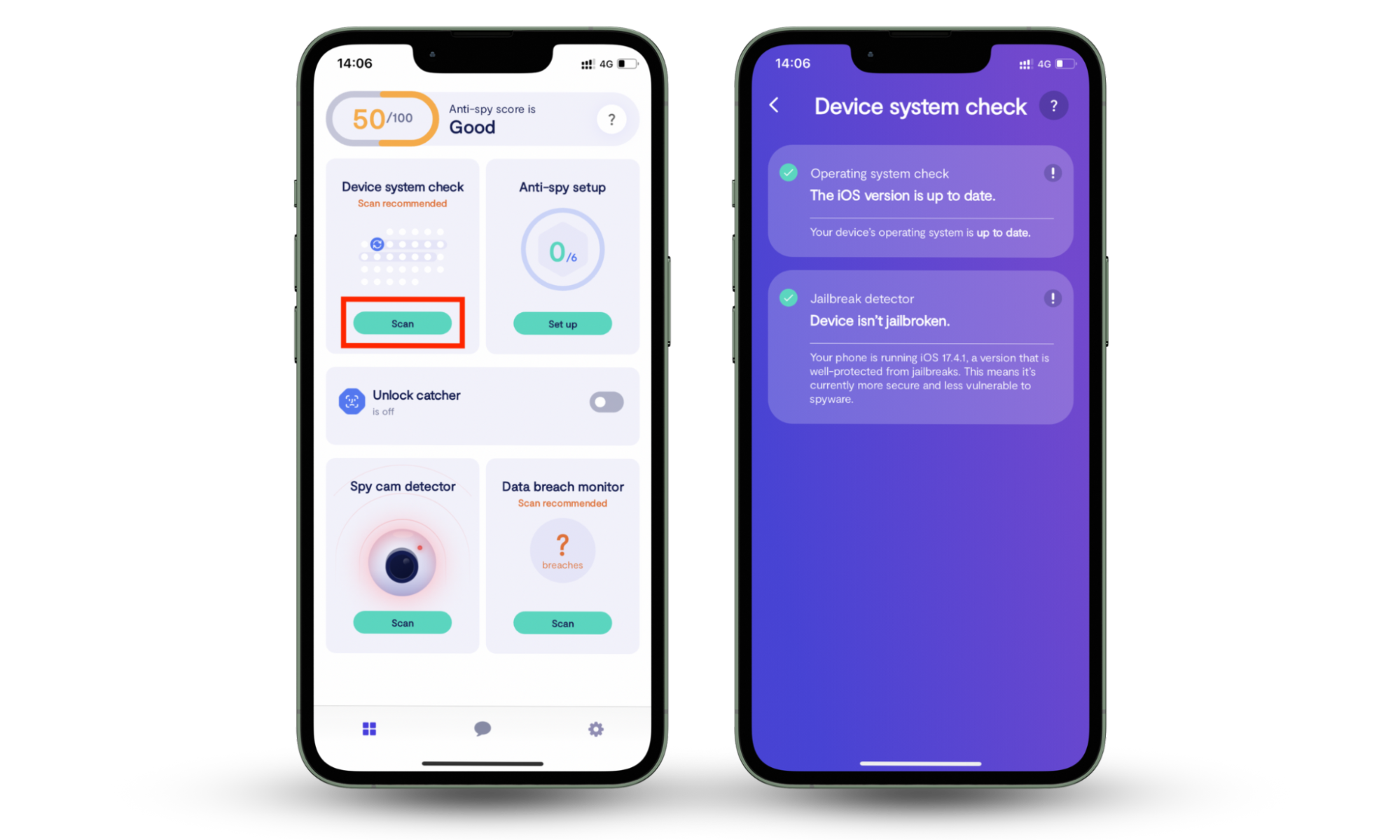
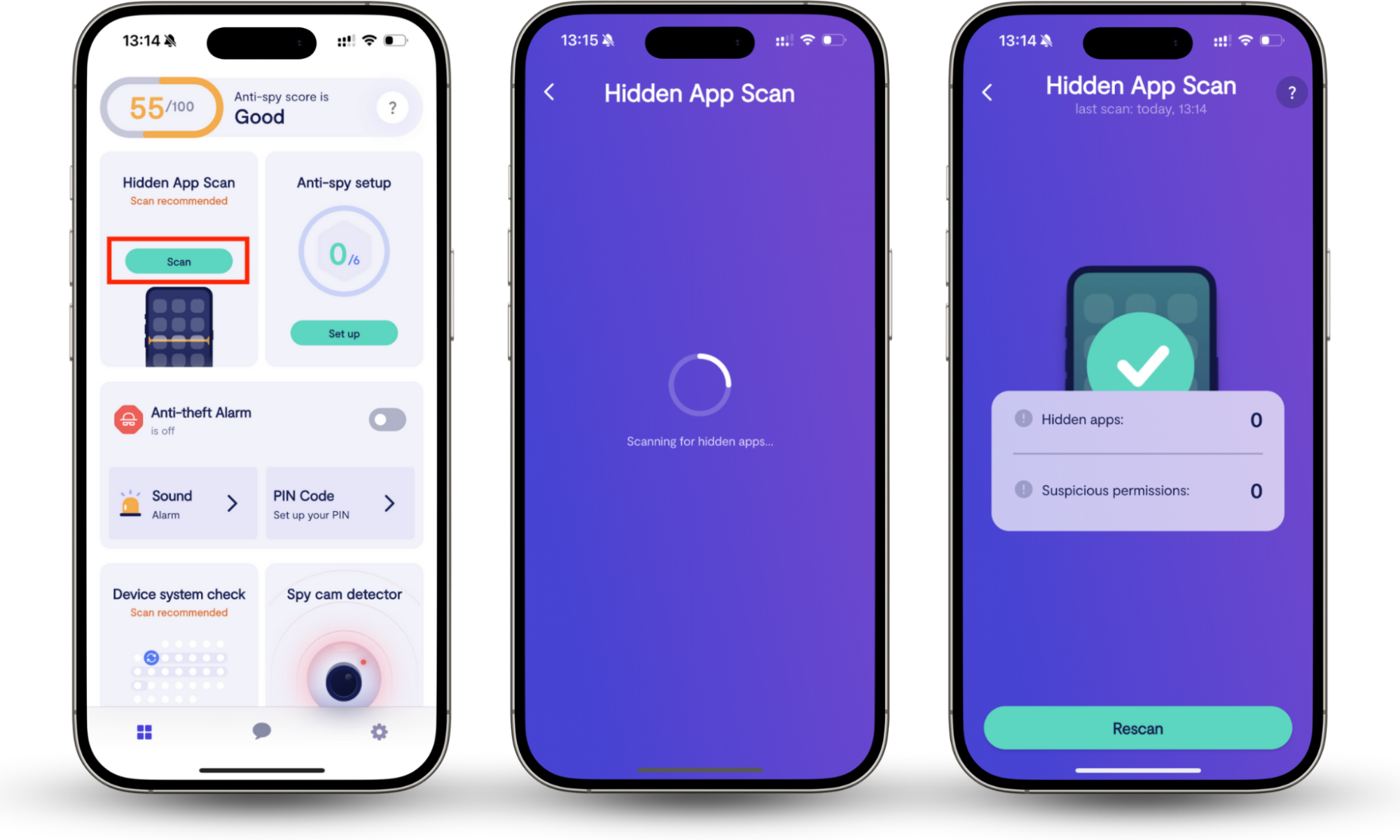
Clario Anti Spy is an anti-spyware app developed by Clario Tech. Its Device system check helps you detect risky changes on your phone, including traces of rooting or jailbreaking, suspicious configuration profiles, and other signs that weaken your device’s security. It pairs well with the Hidden app scan, which scans your phone for hidden spyware.
If you suspect your ex might monitor you, start with your device, not your emotions. Clario Anti Spy’s Device system check can flag security weaknesses that make spying easier. Then run a Hidden app scan to identify and remove spyware so your ex can’t keep accessing your phone.
What happens technically when you block someone’s phone number?
Blocking isn’t a dramatic announcement. It’s a routing rule on your phone.
What usually happens:
- Calls from the blocked number go to voicemail or fail silently
- Texts may look sent on their side, but you won’t receive them
- They won’t get a pop-up saying you’re blocked, unless a specific app reveals it
Key nuance:
- SMS behavior varies by carrier and phone model
- Messaging apps behave differently from normal texting
- iMessage and SMS can behave differently, depending on what devices you both use
Tip
Blocking often reduces contact, but it doesn’t stop someone from using a new number. Pair it with stronger boundaries if needed.
Special circumstances
Not every breakup allows a clean cut. In these cases, limited access can be healthier than full blocking.
Co-parenting
Blocking can create chaos. Consider a structured channel instead:
- Use scheduled check-ins
- Keep messages logistics-only
- Consider a dedicated co-parenting communication app
Shared finances or logistics
If you share bills, leases, or accounts, keep one limited channel:
- One method of contact
- Clear boundaries
- No late-night emotional conversations
Workplace overlap
If you work together, avoid public drama:
- Keep communication professional
- Use email or work channels only
- Consider HR support if boundaries get violated
Verdict: Should I block my ex's phone number?
Blocking is a boundary, not a strategy. If your ex disrupts your peace, pressures you, or scares you, block them without guilt. If you feel emotionally stable and safe, you may choose deletion or silent no contact instead. Either way, prioritize healing over control and safety over ego.
If you suspect digital monitoring or harassment, run Clario Anti Spy’s Device system check and complete a Hidden app scan to find and remove spy apps.