Table of contents
- What is domestic violence
- How to recognize domestic violence
- Signs of domestic violence
- Cycle of domestic violence
- What to do if domestic violence occurs
- 1. Don't take the blame
- 2. Have a safety plan
- 3. Recognize barriers
- 4. Stay safe
- 5. Ask for help
- Conclusion
What is domestic violence
Domestic violence is about control. It happens when one person tries to dominate or control another within a close relationship. This can occur between partners, spouses, or even within families.
When people hear "domestic violence," physical abuse is usually the first thing they think of. While physical harm can be part of it, it also involves non-physical forms of abuse that are just as damaging.
For instance, domestic violence may involve emotional or psychological abuse, such as manipulation, humiliation, or criticism that breaks down the victim's confidence. Sexual abuse, financial control, or verbal threats could also be used to create fear and dependence.
How to recognize domestic violence
Domestic violence isn't always obvious. In many relationships, it starts off small and gradually escalates. This makes it harder to recognize, especially when you're living with it day to day.
You might be experiencing domestic violence if you feel afraid of your partner's moods or reactions, find yourself second-guessing what you say, or change your behavior to avoid arguments. Being made to feel guilty, worthless, or responsible for everything that goes wrong is another warning sign.
It's often safest to leave a toxic relationship before things take a turn for the worse. You may also find it helpful to look at the power and control wheel to understand how different forms of abuse can show up in relationships.
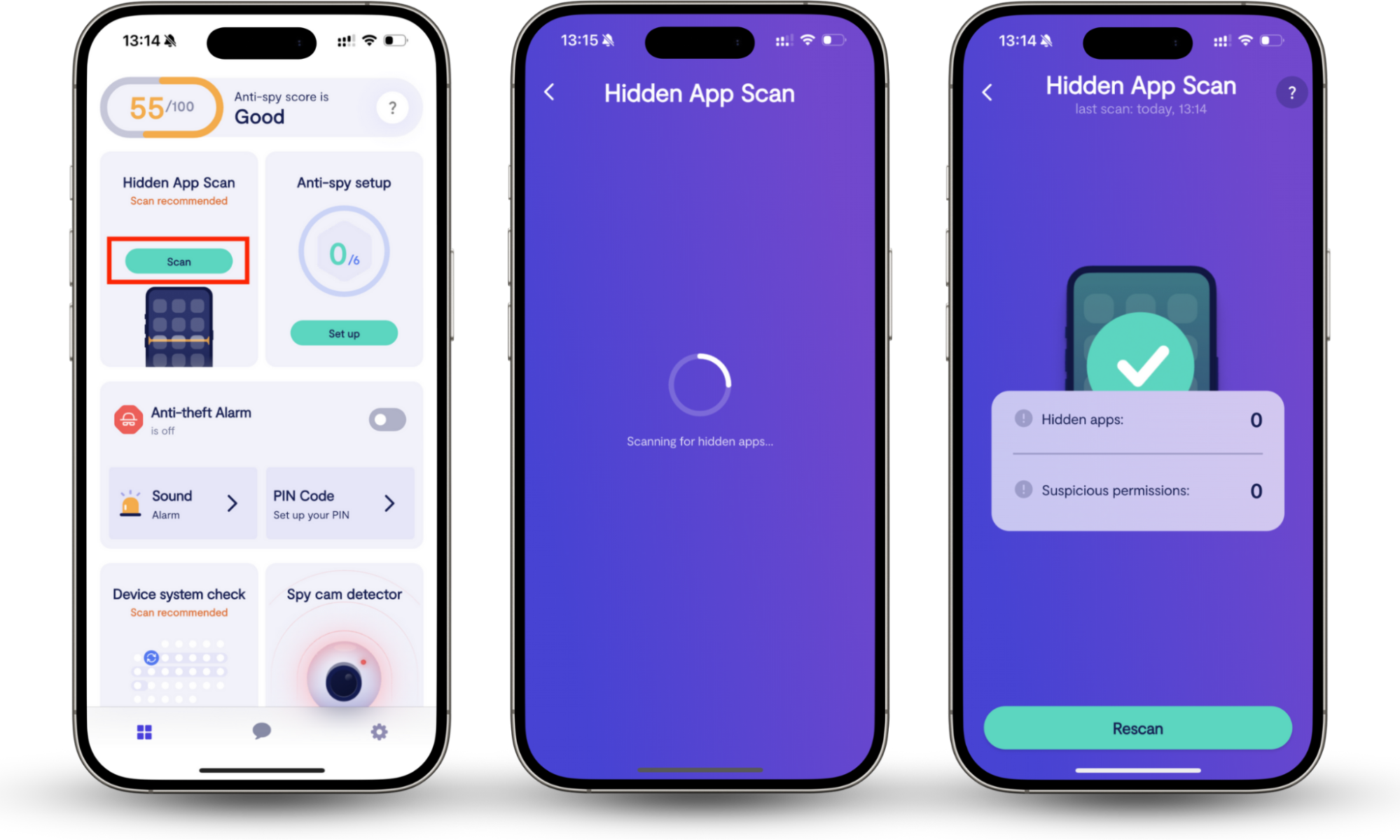
Abusers may also spy on their victims and keep tabs on their phones to gain even more control. If you're concerned about your privacy, Clario Anti Spy can help. Features like Hidden app scan, Device system check, and Unlock catcher make it easy to identify privacy-invasive apps, security vulnerabilities, and device tampering.
Here's how to protect your privacy with Clario Anti Spy:
- Download Clario Anti Spy and subscribe to create an account.
- Tap Scan under Hidden app scan.
- If the results reveal any privacy-invasive apps, follow the on-screen instructions to remove them.
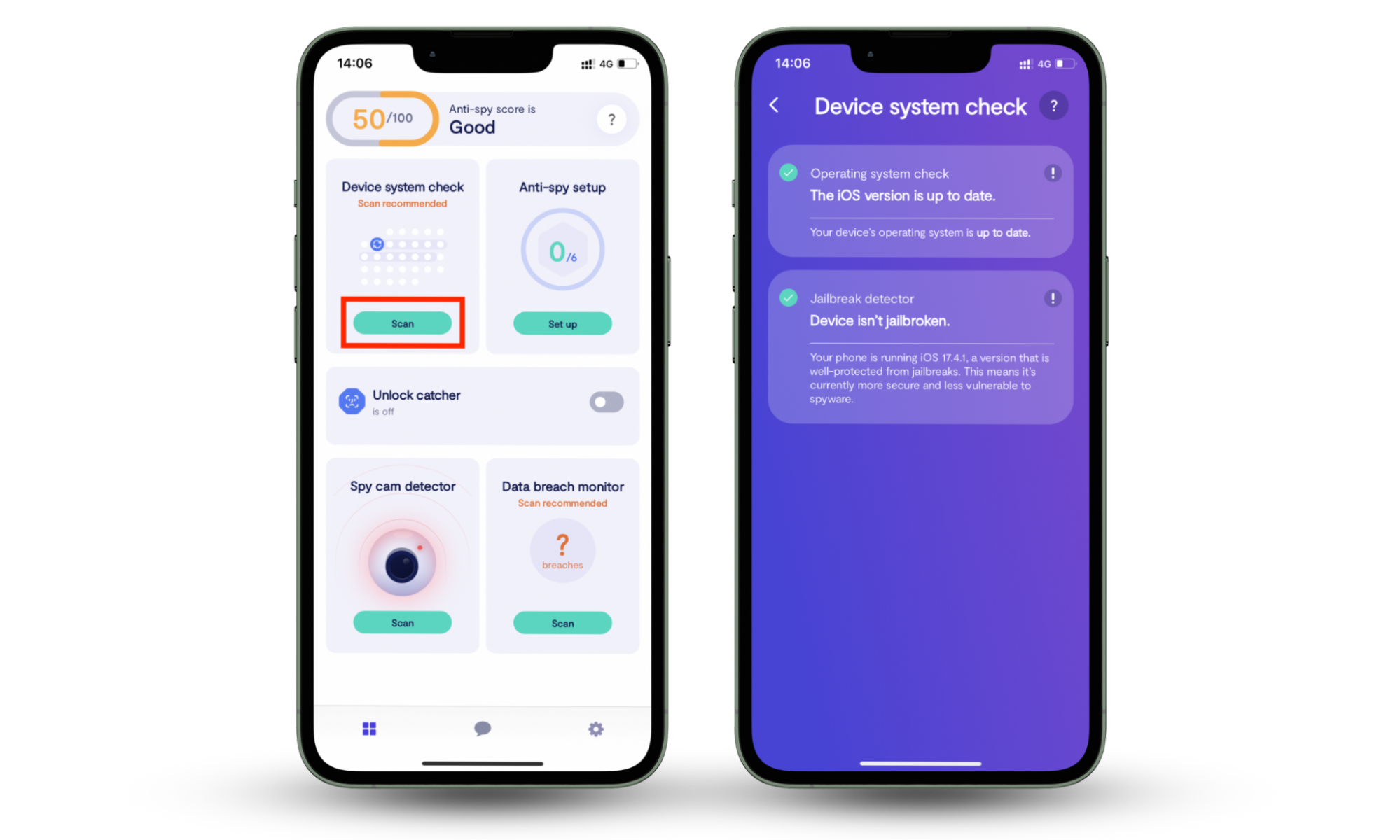
- Next, tap Scan under Device system check to identify severe security vulnerabilities in the system software, such as jailbreaks or rooting.
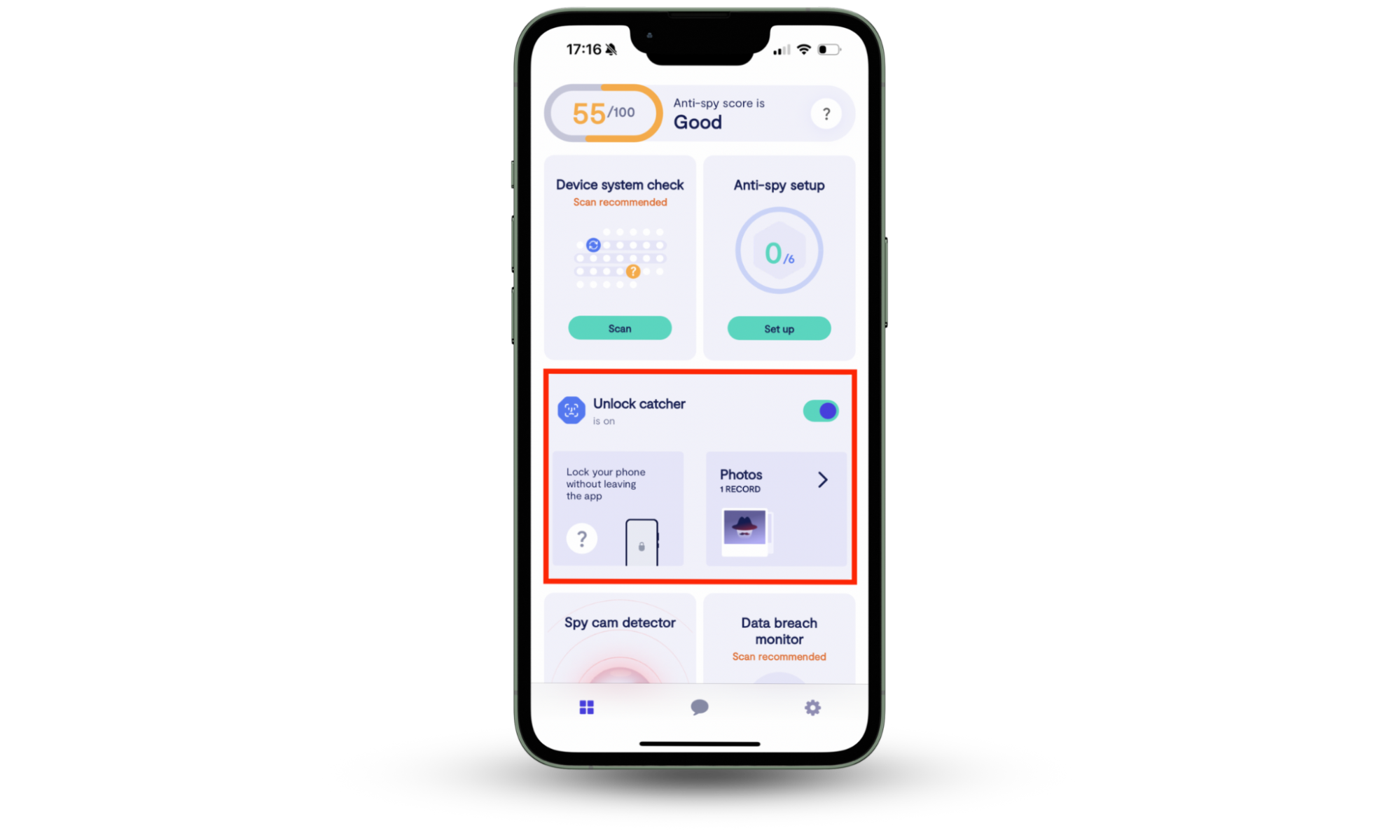
- Finally, turn on the switch next to Unlock catcher to make your phone take a photo whenever someone tries to unlock it.
Clario Anti Spy also includes 24/7 live support—tap the Messages icon to start a conversation. Clario experts help with all kinds of situations every day, and here's what one of them shared about a customer who was worried her husband was spying on her phone:
"The client recently reached out with concerns that her husband may have been secretly accessing her phone without her knowledge or consent, and she sought our assistance in discreetly verifying any unauthorized activity.
Due to her current circumstances, she explained that she was unable to change the device’s password or lock screen credentials at this time.
In response, we recommended utilizing our Unlock Catcher feature. This discreet security tool captures a photo of anyone attempting to unlock the device, providing visual evidence of unauthorized access attempts.
The client expressed that this was exactly the type of solution she had been seeking and conveyed her appreciation for the timely and practical support."
Signs of domestic violence
Domestic violence can look very different depending on the situation. Some signs are clear, while others aren't always obvious at first. You may be experiencing domestic abuse or noticing it in someone else if any of the following feel familiar:
- Constantly feeling anxious or afraid of your partner's moods or reactions
- Carefully choosing words or actions to avoid fights
- Being blamed, belittled, or made to feel worthless
- Withdrawing from friends or family, or becoming more isolated over time
- Becoming unusually secretive or guarded about daily life
- Frequently being anxious, fearful, or showing low self-esteem
- Unexplained injuries, frequent "accidents," or attempts to hide bruises
- Being monitored, tracked, or followed, including situations where your husband stalks you
Good to know
If you live in the US, you can call the National Domestic Violence Hotline at 1-800-799-SAFE for confidential support. Many other countries also have dedicated domestic violence helplines, so you can find help wherever you are.
Cycle of domestic violence
Domestic violence follows a repeating four-step pattern called the cycle of abuse. Learning about these steps can make it easier to recognize what's happening in the relationship and why leaving or breaking away can feel so difficult.
- Phase one: The cycle usually begins with a tension-building phase. Stress, arguments, or emotional pressure start to increase. The victim may try to keep the peace or voice anything that could trigger a negative reaction from their partner.
- Phase two: Next comes the phase of violence. This is where the abuser engages in domestic assault (e.g., punching, slapping, or threatening to cause harm) or non-physical forms of violence. It leaves the victim scared, hurt, and powerless.
- Phase three: After that is the reconciliation or "honeymoon" phase. The abuser may apologize, show affection, or promise to change. They might blame stress, outside circumstances, or even the victim for what happened. This stage can create hope that the relationship will improve.
- Phase four: Then comes the calm phase, where things seem stable for a while. The relationship almost feels normal again. But over time, the tension slowly builds and the cycle begins all over again.
As this pattern of domestic abuse continues, the cycle becomes shorter and more intense. The fourth phase may fade or disappear completely, making it harder for the victim to leave or stay safe without outside support.
What to do if domestic violence occurs
If you're experiencing domestic violence, your safety comes first. It's important to understand that leaving an abusive situation isn't always simple, and it rarely happens all at once. Many people need time, support, and careful planning.
1. Don't take the blame
Domestic violence works because it eats at your confidence. An abusive partner may make you feel like you're the problem, that you're overreacting, or that their behavior is somehow your fault. This can wear down your self-esteem and make everything feel confusing.
Many abusers shift blame to avoid taking responsibility. They may twist events or suggest that things would be fine if you just behaved differently. Recognizing this and stopping yourself from taking the blame is the first step toward breaking that cycle.
2. Have a safety plan
A safety plan helps you prepare for moments when things escalate or when you may need to leave quickly. It doesn't mean you have to take action right away. It simply gives you options and helps you feel more in control if a situation becomes unsafe.
A safety plan might include:
- Knowing a safe place you can go in an emergency
- Keeping important documents, money, medications, and essentials ready
- Sharing your plan with someone you trust, so you're not handling it alone
- Thinking through how to leave safely, including transportation and timing
Remember
Many national and local domestic violence organizations can help you, so don't forget that you can always have support even if you don't have close friends or family.
3. Recognize barriers
Leaving an abusive relationship can be extremely difficult, and many people face real obstacles along the way. These may include:
- Being stressed out that the abuser may behave erratically or violently
- Being financially dependent or having limited access to money
- Responsibilities involving children, pets, or shared commitments
- Emotional attachment or hope that things will change
- Shame, self-blame, or fear of judgment from others
Recognizing these barriers is another crucial step. It allows you to plan around them, seek the right kind of support, and move at a pace that feels safer for your situation.
4. Stay safe
Your priority is to stay safe. This involves avoiding confrontations with the abuser when tensions are running high, keeping emergency contacts easy to access so you can reach out quickly if needed, and protecting your privacy by securing your phone, email, and online accounts. Always contact emergency services if you're in immediate danger.
5. Ask for help
You don't have to go through this alone. Support is available in many forms, and reaching out doesn't mean you have to make a big decision right away.
For example, this might mean talking to a trusted friend or family member and letting them know what's been happening. It could also involve contacting a domestic violence hotline, where trained advocates can listen, help you think through your options, and connect you with local resources like shelters or legal aid.
Some people choose to speak with a counselor or social worker, especially if they need help with their mental health or confidence. In certain situations, legal professionals can help explain options around protection orders, custody, or housing.
You can reach out for help even if you're unsure what your next step should be. Many support services are confidential. Sometimes, just talking things through with someone who understands can help you feel less alone and make it easier to figure out your next steps.
If you're being hurt physically or believe your life may be at risk, contact emergency services or law enforcement right away.
Conclusion
Domestic violence is serious and never acceptable. Living through it can feel overwhelming and isolating, but help is available. Reaching out can make a real difference, and you don't need a perfect plan to take that first step. Even one conversation can help make a huge difference.
If privacy is a concern, Clario Anti Spy can help protect your personal space. Features such as the Hidden app scan, Device system check, and Unlock catcher are designed to help you stay aware of potential threats and regain a sense of control.