Table of contents
- What does toxic relationship mean
- How to know if your relationship is toxic
- How to get out of toxic relationship
- 1. Recognize the signs of toxic relationship
- 2. Seek professional help
- 3. Make safety plan
- 4. Talk to your partner
- 5. Set boundaries
- 6. Consider ending contact
- 7. Let someone know
- 8. Focus on self-care
- 9. Build support system
- 10. Heal yourself and find your identity
- Conclusion
What does toxic relationship mean
A toxic relationship is one that’s harmful to you. It might involve emotional abuse, such as constant criticism, controlling behavior, or a partner withholding affection. It could also involve regular arguments, cruel comments, or a total lack of communication. You and your partner might not trust each other, or you might not even want to be around each other. A toxic relationship can erode your self-esteem over time.
Some toxic relationships might involve physical abuse, but many don’t. If your partner belittles you, gaslights you, and repeatedly makes you feel bad about yourself, this could be emotional abuse.
Not all toxic relationships are abusive. Sometimes, a couple just isn’t right for each other. For example, if you and your partner have very different attachment styles and needs, you might end up developing a toxic relationship, even if no one is at fault. You might want a deeper connection with your partner, but they want more independence and pull away—so you push to be closer. Sometimes, these vicious cycles in a relationship can’t be fixed, and it’s best to move on from the toxic relationship.
How to know if your relationship is toxic
If your relationship is toxic, your partner might seem jealous or controlling. They might criticize you, guilt you into doing what they ask, gaslight you, or make cruel jokes at your expense. Some toxic partners will even isolate you from friends and family. You might feel anxious or panicky when you’re around them—or even when you’re not.
Warning signs to look out for in a toxic relationship:
- Your partner criticizes you, humiliates you, or makes cruel jokes
- One of you (or both) is co-dependent and relies too heavily on the other person
- Your partner monitors your spending, or doesn’t give you access to money
- They gaslight you, lie to you, or cheat on you
- Your spouse resents your success, and belittles you or downplays your achievements
- They ignore you or withhold affection
- They stop you from seeing friends or family, or doing things you enjoy
- Your boyfriend or girlfriend stalks your social media or checks your phone
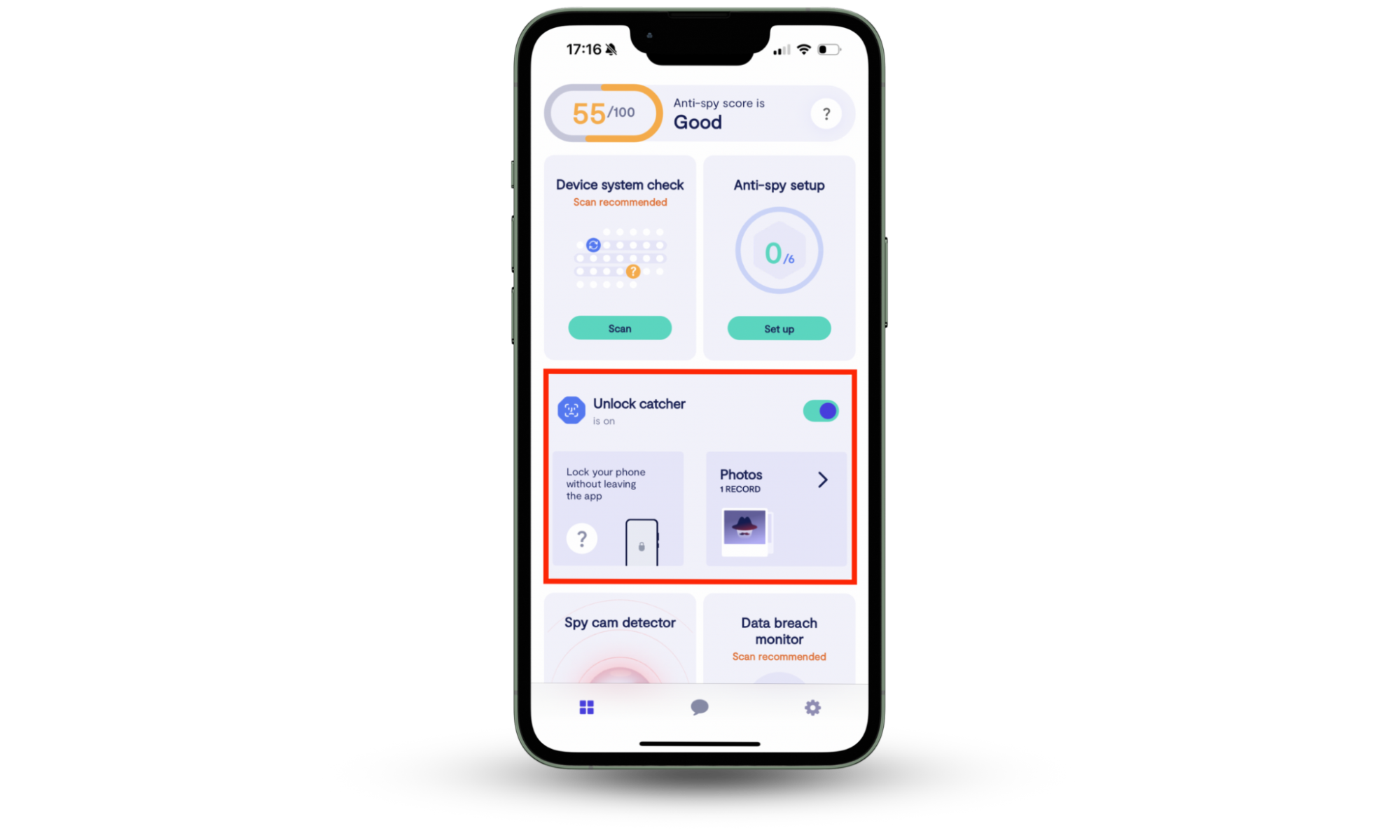
Worried that your partner is checking your phone? You might suspect that they’re monitoring you, but you don’t know for certain. Clario Anti Spy’s Unlock catcher can help you find out if your partner is unlocking your phone to spy on you. The app discreetly takes a photo every time your device is unlocked, so that you can see who’s accessing your phone.
You’re not alone in this. We recently spoke to a customer who was worried that her husband was checking her phone without her knowledge or consent. She couldn’t change her phone’s passcode or lock screen settings, but she wanted to know whether she was being monitored. The Unlock catcher was just what she needed—it could let her find out whether someone was checking her phone, but her spouse didn’t need to know.
How to tell if your partner is unlocking your phone without you knowing:
- Download Clario Anti Spy and set up a subscription.
- Enable the Unlock catcher.
- Lock your phone as normal.
- When you return to your phone, check the Photos tab. Are there pictures of your partner there? If so, they’ve unlocked your phone.
If an abusive partner has access to your phone, they might install monitoring apps so that they can check what you’re doing. They might want to read your messages, track your location, or even access your camera to secretly record you.
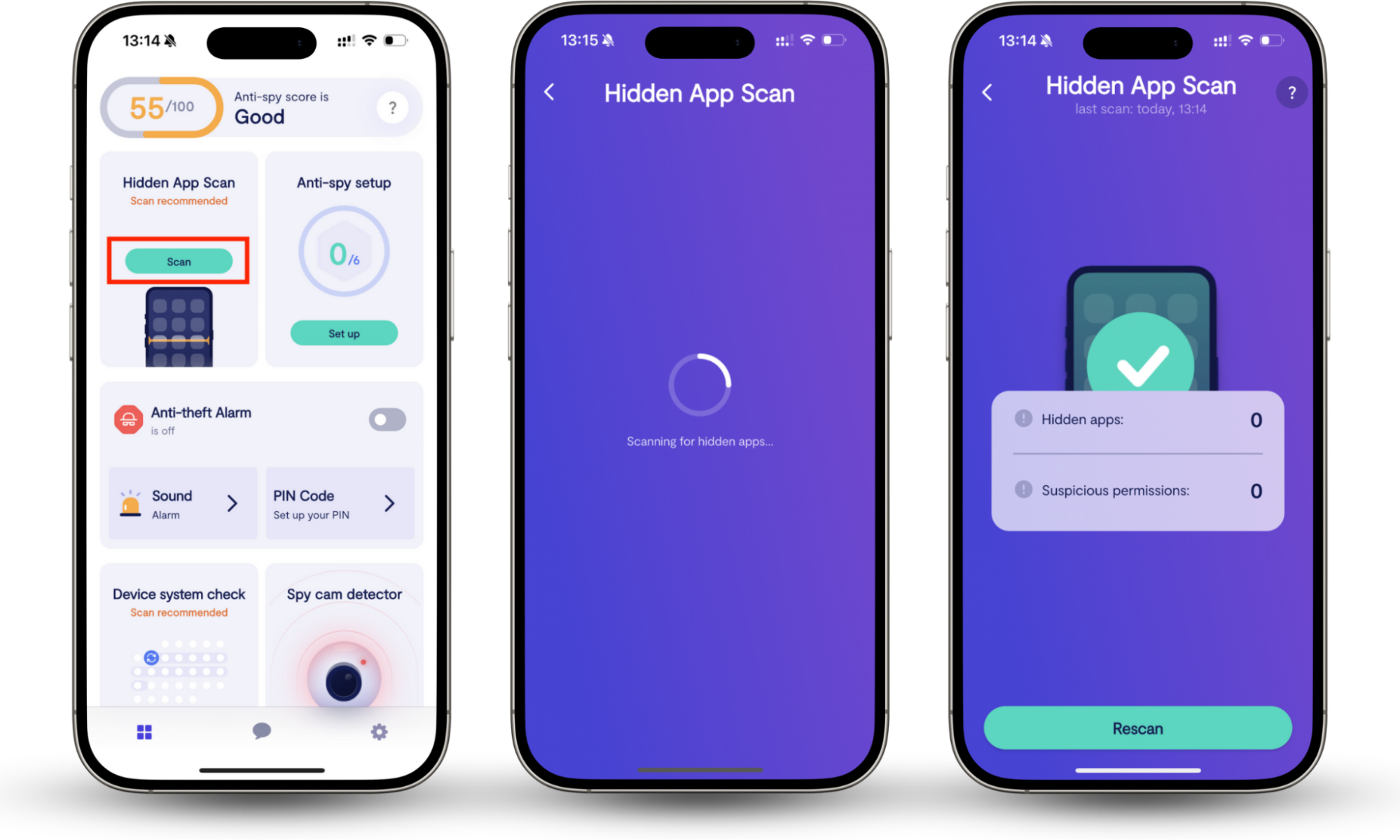
Clario Anti Spy’s Hidden app scan can help you find monitoring software that’s hiding on your phone. It looks for hidden apps, as well as apps with suspicious permissions.
How to check for hidden spy apps on your phone:
- Download Clario Anti Spy and subscribe.
- Under Hidden App Scan, tap Scan.
How to get out of toxic relationship
If you’ve decided to end a toxic relationship or marriage, there are a few crucial steps you should take. Once you’ve recognized the symptoms and decided to leave, build your support system—talk to friends and family, and consider seeking professional help from a therapist or domestic violence support organization. Create a practical exit plan, thinking about your safety. If possible, discuss your boundaries with your partner. Once you’ve left, consider ending all contact.
1. Recognize the signs of toxic relationship
We’ve already talked about the signs of a toxic relationship. If your partner criticizes you, is jealous or controlling, or isolates you from your friends and family, these are indications that your relationship could be toxic.
Most importantly, ask yourself if you’re happy in your relationship. Do you enjoy spending time with your partner and feel good about yourself when you’re with them? If your partner makes you feel anxious or scared, and you’re constantly walking on eggshells around them, it might be time to leave your toxic relationship.
2. Seek professional help
When you’re planning to end a toxic relationship, you might need help from a therapist or domestic violence support organization. A psychologist or counselor can help you process your experiences, and support organizations may be able to offer practical assistance to help you move forward.
Leaving a trauma-bonded relationship can be difficult. You might still love your partner. Perhaps you’re financially dependent on them, or you’re afraid that they might become violent or harm themselves if you leave. A therapist can help you decide what to do next.
Where to find help to leave a toxic relationship:
- The National Domestic Violence Hotline: 1-800-799-7233
- The National Teen Dating Abuse Helpline: 1-866-331-9474
- Stronghearts Native Helpline: 1-844-7NATIVE (762-8483)
3. Make safety plan
Leaving an abusive relationship can be dangerous. Some controlling partners become violent when they think you’re planning to leave.
You should create a plan to safely leave the relationship without your partner finding out. Consider talking to trusted friends or family, setting up a new bank account, saving money that your partner doesn’t know about, finding a new job, or even finding somewhere to rent without their knowledge.
Do you think that your partner might get violent or prevent you from leaving? If so, be cautious about your plans. Make sure that they don’t have access to your phone or computer, so they can’t see any messages you’ve sent or received. Use Clario Anti Spy’s Unlock catcher to check if your partner is accessing your phone without your permission.
4. Talk to your partner
If your relationship isn’t abusive and it’s safe to do so, talk to your partner. Tell them that you can’t cope with their behavior or the co-dependency in your relationship.
If you’ve already decided to leave the toxic relationship, don’t let them convince you to stay. Simply explain your reasons for leaving and focus on your own feelings.
If you’re worried about your safety, don’t tell your partner about your exit plan.
5. Set boundaries
When you get out of a toxic relationship, you can’t always completely block your ex. You may need to work out custody arrangements for your children, sell a shared house, or attend school together. Setting strong boundaries can help you navigate these issues. You may want to limit contact with them, ask them to email instead of calling you, or insist that they refrain from harassing your friends or family.
6. Consider ending contact
Some narcissists and abusers continue their manipulation after a breakup. If your safety is at risk, or your ex refuses to respect your boundaries, consider cutting contact.
If you have children together, or your ex won’t leave you alone, seek legal advice. Domestic violence support organizations might help you to arrange a restraining order or make a fresh start in a new place.
Some particularly entitled or controlling partners might continue to harass you. Find out more about how long a narcissist might stalk you, and what you can do about it.
7. Let someone know
It’s important to talk to your friends and family. Confide in them, and let them know if you’re worried about your partner’s behavior escalating.
You may want to tell friends and family not to engage with your ex. If you’ve noticed any signs of stalking, let them know, so they can support you.
8. Focus on self-care
Take care of your mental well-being—you’ve been through a lot of stress. Spend time engaging in hobbies that you enjoy, practising mindfulness, journaling, and spending time with loved ones. Remember to eat well, get plenty of sleep, and take care of your physical health, too.
9. Build support system
Abusive partners often encourage their victims to avoid talking to friends and family. However, when you move on from a toxic relationship, you need a support network.
Emotional support is especially important when you’re going through a major life change. Your support system may also be able to provide you with practical assistance, such as finding a place to live, searching for employment, and planning for the future.
Reach out to friends and family, and try to make connections in other places, too. Your support system might include family members, friends, therapists, coworkers, neighbors, and parents at your kid’s school.
10. Heal yourself and find your identity
It can be hard to fully let go of a toxic relationship and remember who you are when you’re not half of a couple. Try to spend time with your loved ones, take care of your physical and mental health, and remind yourself of the things you enjoyed in the past. Reach out to old friends or look to make new ones. Try new hobbies, and set realistic goals for yourself.
Going forward, it’s also important to learn what healthy relationships look like. Talking to a therapist can be really helpful here. It may take a long time before you’re ready to find a new partner—and that’s okay. You’ve been really brave to move on from your toxic relationship.
Conclusion
It can be really hard to leave a toxic relationship and move on with your life. The first step is recognizing the signs that your relationship is toxic.
To get out of a toxic relationship, you might want to seek help from a therapist or domestic violence organization. Make an exit plan, thinking about your own safety. Talk to friends and family, and build a good support system around you.
When you’re preparing an exit plan, make sure your partner doesn’t find out. If you use your phone to research, check that your partner isn’t accessing it secretly. Use Clario Anti Spy’s Unlock catcher to see if they’re unlocking your phone, and the Hidden app scan to look for monitoring software that might give them access to your messages and browsing history. Stay safe!