Table of contents
- Spam vs scam vs robocalls: what’s the difference?
- How to block spam calls on iPhone
- 1. Block specific numbers
- 2. Silence unknown callers
- How to stop spam calls on Android
- 1. Block specific numbers
- 2. Block all unknown callers
- Block scam calls using Hiya
- How to block scam calls
- Register your number on the Do Not Call list
- Report scam calls
- How to stop robocalls
- Check out your cellular provider’s services (call filters)
- Check if your data is exposed to scammers
- Conclusion
Spam vs scam vs robocalls: what’s the difference?
Spam calls, scam calls, and robocalls differ in intent and how they operate. Spam calls are usually unsolicited marketing attempts, scam calls are designed to steal money or personal information, and robocalls use automated systems to deliver messages at scale. Understanding these differences helps you choose the most effective way to block or avoid each type of call.
There’s nothing worse than unwanted phone calls, and they’re unfortunately becoming more and more common. For 2024, the most recent year for which data is available, the FBI found $16.6 billion in reported losses, beating the previous record, $12.5 billion, in 2023, and the Federal Communications Commission (FCC) lists unwanted calls as their top consumer complaint.
You might be wondering what the difference is between spam, scam, and robocalls.
- Spam calls are repetitive, unsolicited calls — these are usually telemarketers
- Scam calls are fraudulent calls with the purpose of stealing your money or information
- Robocalls deliver a pre-recorded or computerized message and can be legitimate but are often spam
To better understand how to stop unwanted calls, it’s important to know how these categories behave in practice. Spam calls are usually persistent but harmless, while scam calls are designed to exploit urgency or fear. Robocalls, on the other hand, automate outreach at scale, which is why even a single interaction can increase the number of calls you receive over time.
Luckily, most phones now come with built-in features to block spam callers. In this article, we’ll cover everything you need to know to stop unwanted calls on your Android or iPhone.
How to block spam calls on iPhone
To block spam calls on an iPhone, you can either block individual numbers or automatically silence all unknown callers. Blocking is best for repeated nuisance numbers, while silencing unknown callers helps reduce interruptions from unfamiliar contacts. These built-in iOS features work at the system level but may not prevent spoofed or constantly changing numbers.
If you’re receiving spam calls, it’s time to do something about it. iPhones have two built-in tools to help you block spam callers. You can block specific numbers and you can silence all unknown numbers.
1. Block specific numbers
Luckily, blocking specific numbers is very easy on an iPhone. If you’ve received a call from a number that you’ve identified as a scam or spam caller, you can block them in three easy clicks.
To block specific numbers with an iPhone:
- Head to Recents.
- Select the information symbol next to the caller you wish to block.
- Scroll down and tap Block this Caller.
- In the pop-up, select Block Contact.
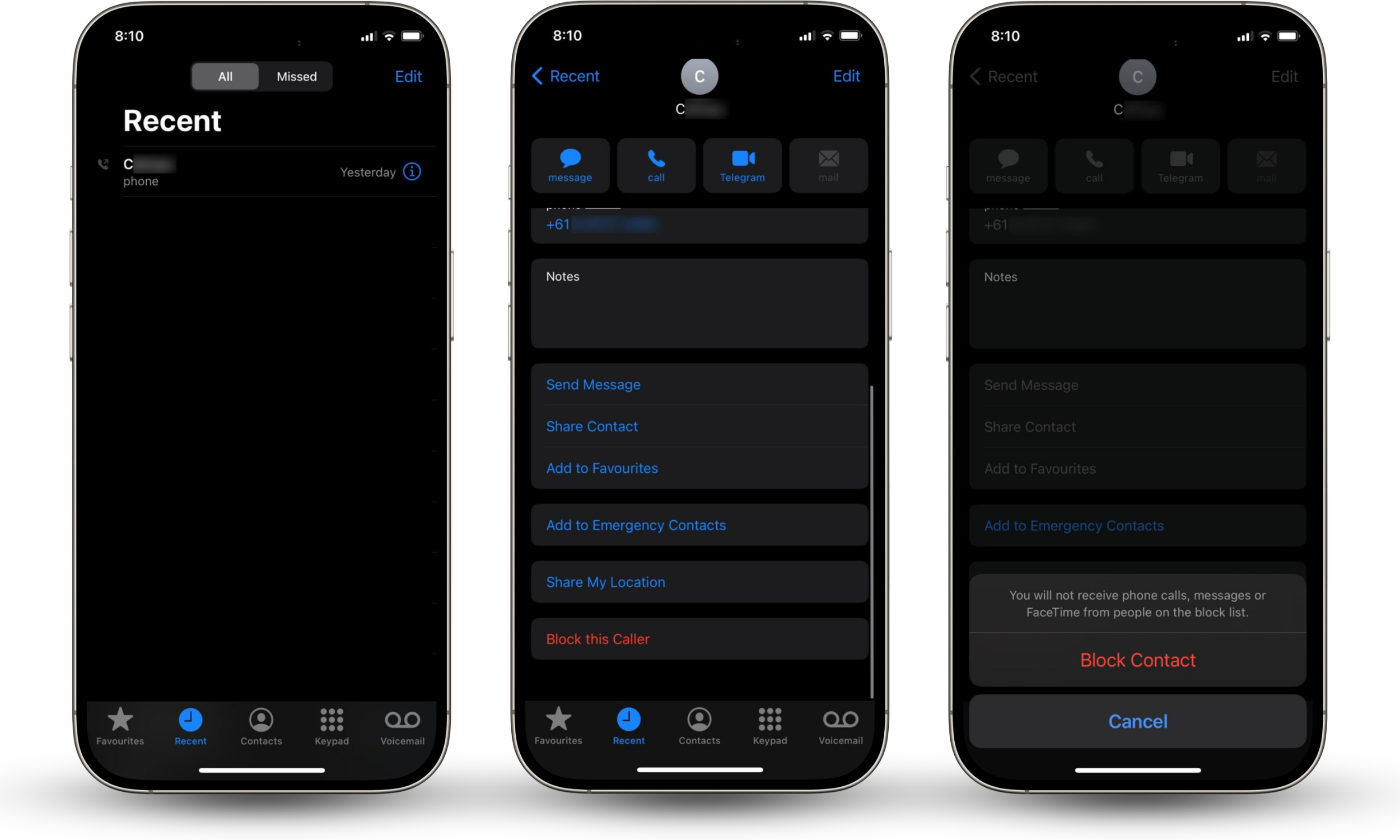
Blocking a number on iPhone prevents that contact from calling, messaging, or initiating FaceTime requests. The block is applied at the device level, meaning the caller won’t be notified but all communication attempts are automatically rejected.
2. Silence unknown callers
If you have iOS 13 or up on your iPhone, you’re also able to automatically silence all calls that come from unknown numbers. These calls are sent directly to voicemail so that you can determine whether it’s legitimate before answering.
To silence unknown callers with your iPhone:
- Open Settings then tap Phone.
- Scroll down and toggle on the switch next to Silence Unknown Callers.
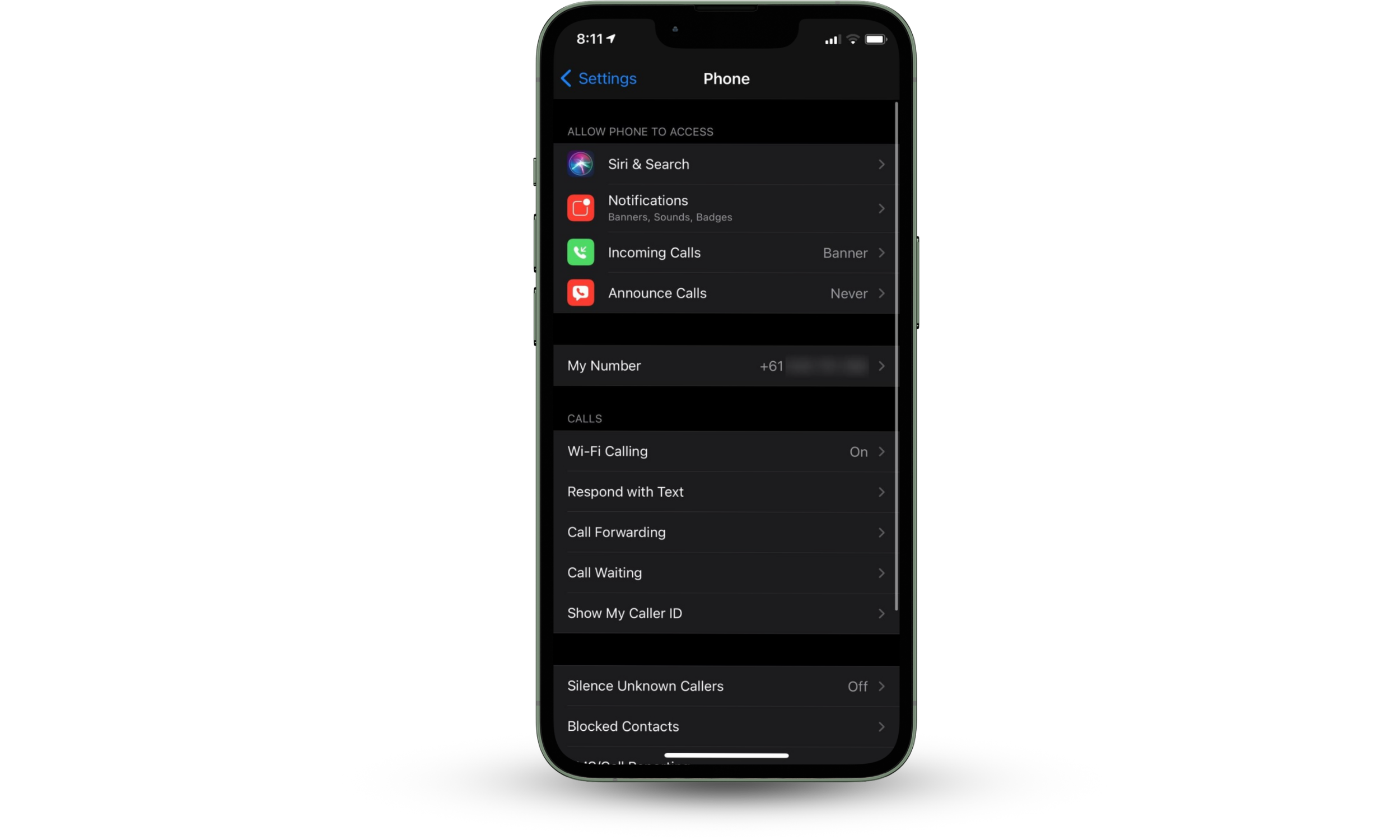
This feature is especially useful if you frequently receive calls from numbers not saved in your contacts. However, it may also silence legitimate calls, such as deliveries, medical offices, or new business contacts.
Important to know
Blocking and silencing features do not stop callers who use number spoofing, where scammers disguise their identity by changing the number that appears on your screen.
How to stop spam calls on Android
Android devices offer several ways to block spam calls, including blocking specific numbers, filtering unknown callers, and using built-in spam detection tools. The exact steps may vary depending on your device manufacturer and Android version, but most modern phones include system-level protections designed to reduce unwanted calls and flag suspicious activity.
Like iPhones, Android phones also have three similar built-in measures for blocking spammers. Follow these steps to block spam calls on your Android.
1. Block specific numbers
Android has its own tool for blocking specific numbers. Depending on which phone model and version you have, this process may differ slightly — but it should be easy enough to find.
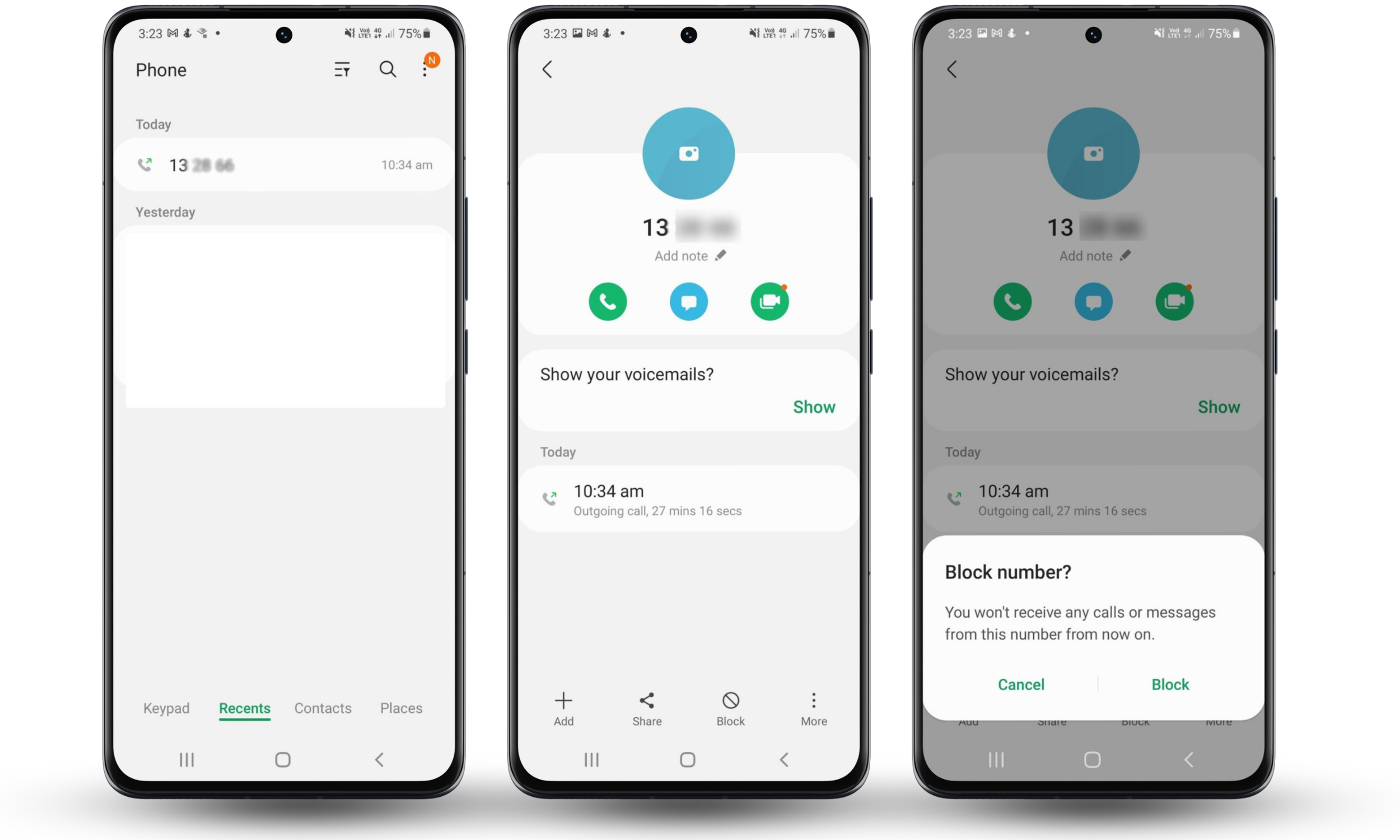
To block specific numbers on your Android:
- Open Phone, then tap on Call history or Recents.
- Tap the number you wish to block and select Block/report scam (you may have to select the information icon first).
- Next, select Block to confirm.
2. Block all unknown callers
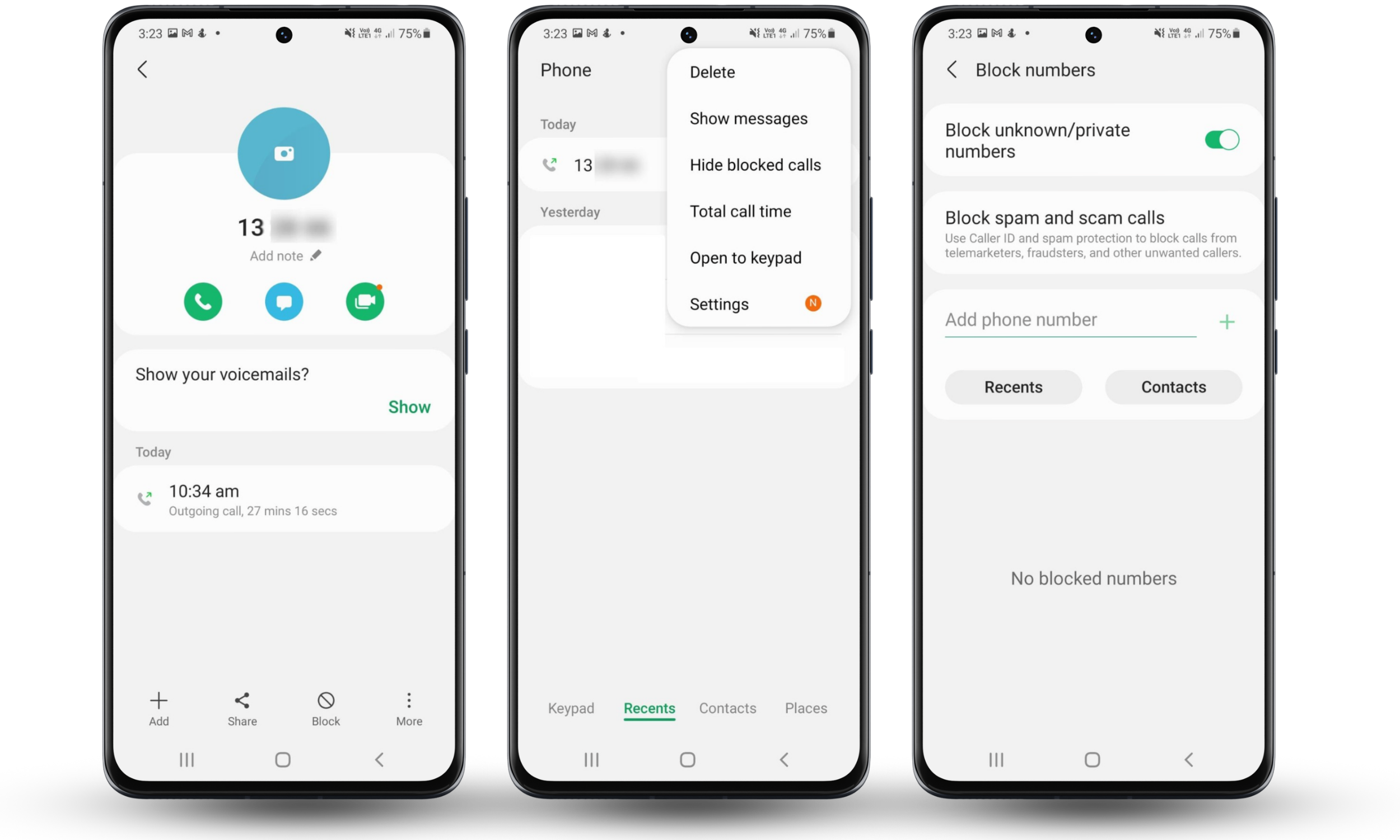
Some Androids also offer the ability to block all unknown callers. This will prevent all unknown numbers from being able to reach you.
To block all unknown callers on your Android:
- Open Phone.
- Select the three dots at the top-right of the menu.
- Tap Settings and then Block numbers.
- Then, toggle on the switch next to Unknown.
Block scam calls using Hiya
In newer Android phones, the third-party scam protection app Hiya is automatically included. Hiya provides a service that can identify and block likely scammers so you don’t answer their calls. It uses a combination of caller reputation data and user reports to flag potential scams, allowing you to automatically block high-risk calls or filter them before they reach you.
Hiya can be turned on as follows:
- Open Phone app.
- Select the three dots at the top right of the menu and select Settings.
- Tap Block spam and scam calls and tap Agree when prompted.
- Toggle Block spam and scam calls on.
- Choose whether you want to block all spam and scam calls, or only block high-risk scam calls.
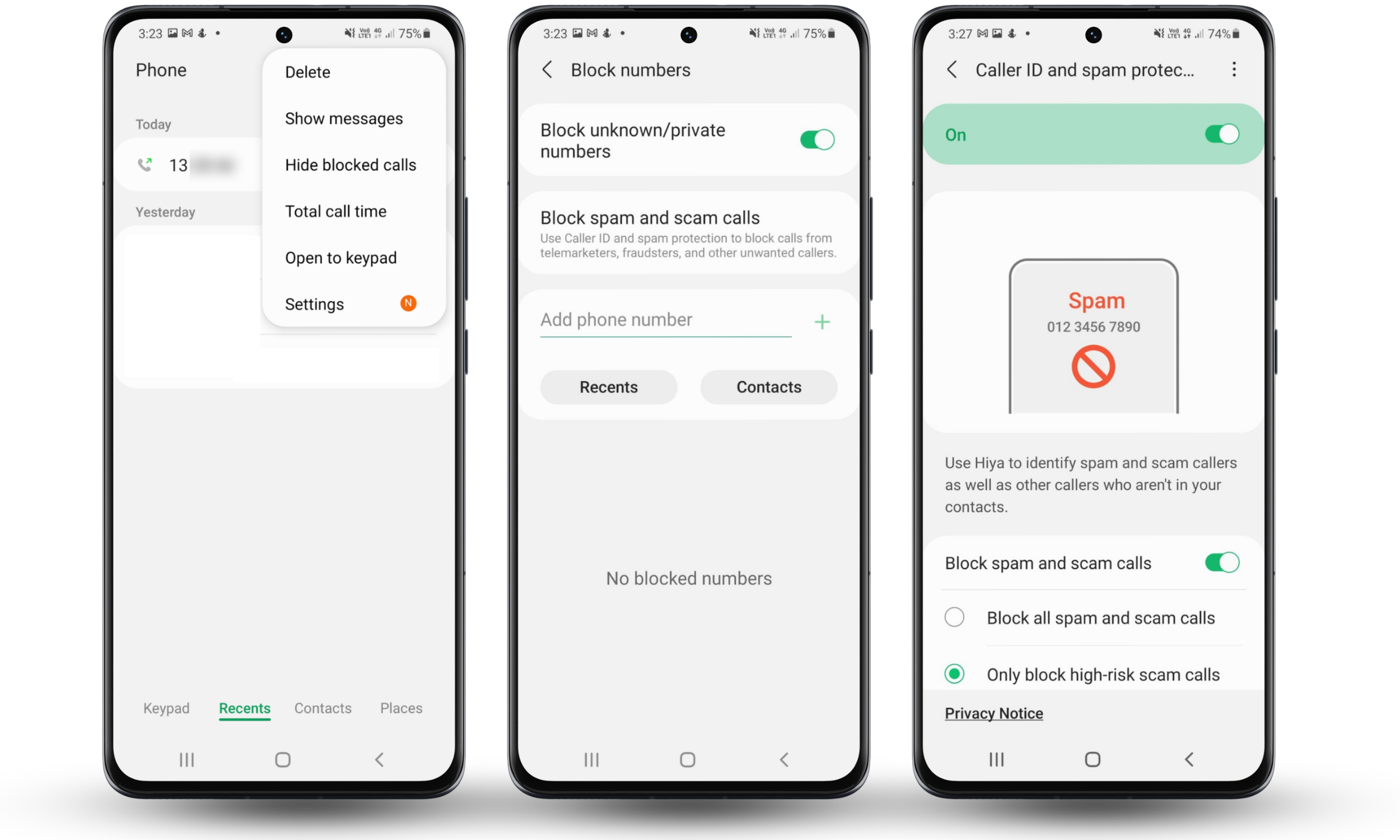
Hiya analyzes incoming calls against a large database of known spam numbers and patterns. Calls identified as high-risk are either blocked or labeled, helping you make informed decisions before answering.
How to block scam calls
Blocking scam calls requires a combination of device settings, cautious behavior, and reporting tools. While no single method can eliminate all scam calls, using multiple strategies together can significantly reduce your exposure and lower the risk of falling victim to phone-based fraud.
If you’re receiving a bunch of unwanted calls, use caution and follow the FCCs advice:
- Don’t answer calls from unknown numbers
- If you do answer a scammer, hang up immediately
- Don’t provide any personal information to unknown callers
Beyond this, you can also register with the Do Not Call list and try to report all scam calls you get.
Register your number on the Do Not Call list
Legitimate businesses actually do pay attention to the Federal Trade Commission’s (FTCs) Do Not Call Registry, so registering your number is a good way to stop telemarketer calls.
Unfortunately, it’s unlikely that scammers will be so thoughtful. Either way, it can’t hurt to register your phone number, and it should help to reduce the volume of calls that you’re receiving.
Report scam calls
If you receive unwanted or scam calls, you can report them via the Do Not Call website. To report a call, you have to have been on the register for at least 31 days.
When the FTC receives your complaint, they’ll give you advice on how to protect yourself from the caller. They’ll also use the information you provide them to combat illegal scammers and telemarketers.
How to stop robocalls
Robocalls are automated phone calls that deliver pre-recorded messages or connect you to a live agent after you answer. They are commonly used for telemarketing and scams because they can reach thousands of numbers quickly. Stopping robocalls typically requires a combination of carrier tools, device settings, and cautious call-handling behavior.
The robocaller will call millions of numbers in a row, and when a person answers, they’re then added to a list of potential leads.
If you’re wondering why you’re getting so many spam calls, it’s likely you previously answered one of these robocalls by accident.
So, how can you stop robocalls?
Check out your cellular provider’s services (call filters)
Many of the major cell providers now have call blocking services that you can use to get rid of robocalls. These are generally free for existing customers and also feature paid versions with extra features.
There are three main ways to reduce robocalls:
- Device-level settings (blocking or silencing unknown callers)
- Carrier-provided filtering services
- Third-party apps that identify and block suspicious numbers
Some anti-robocall services include:
The FCC is cracking down on robocalls, but it’s an uphill battle. There’s also plenty of third-party services to stop robocalls and more of these are around every year, so keep your eye out for the best service to help you block robocalls.
Check if your data is exposed to scammers
Spam and scam calls often start with exposed personal data. If your phone number or email has been leaked in a data breach, it can end up in databases used by telemarketers and scammers. Checking whether your information has been compromised helps you understand why you’re receiving unwanted calls and what steps to take next.
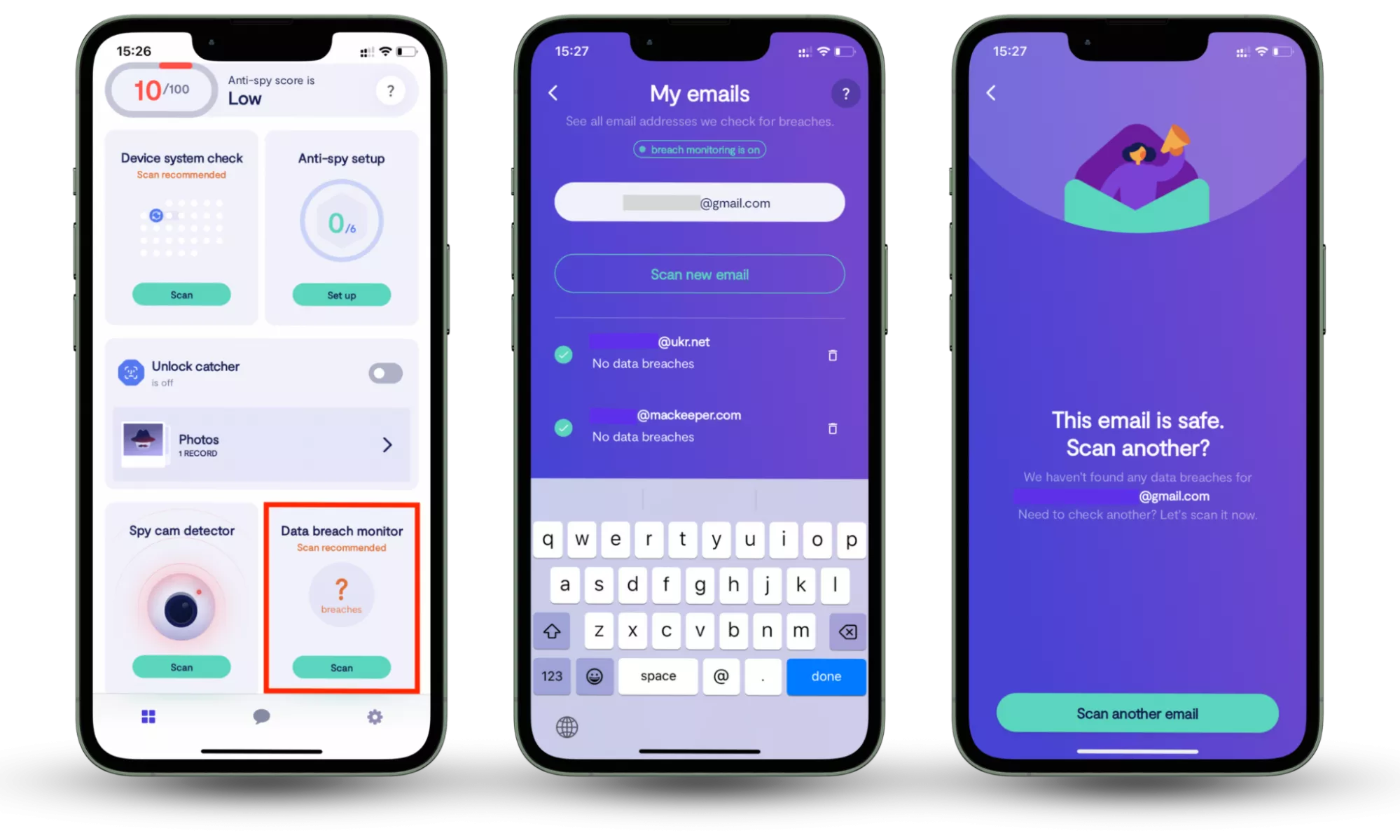
Clario Anti Spy includes a Data breach monitor that scans your email addresses against known breach databases and alerts you if your information has been exposed. This helps you identify which accounts may be at risk and take action before scammers can use your data.
If you’re receiving frequent spam or scam calls, checking for exposed data can be an important first step in reducing unwanted contact and protecting your personal information.
How to check whether your information is compromised:
- Download Clario Anti Spy.
- Open the app, and, under Data breach monitor, tap Scan.
- Enter your email address.
- When the scan is complete, follow the on-screen guidance to review any data breaches.
- Repeat the process for any other email addresses.
Conclusion
Spam, scam, and robocalls are difficult to eliminate completely, but using the right combination of blocking tools, smart call-handling habits, and reporting methods can significantly reduce how often they reach you. Understanding how these calls work also helps you avoid engaging with potential threats in the first place.
For a more proactive approach, tools like Clario Anti Spy can help you go beyond blocking by identifying whether your personal data has been exposed. Its Data breach monitor alerts you to compromised accounts, helping you address the root cause of unwanted calls and better protect your privacy over time.
Read More: