Table of contents
- Can narcissistic abuse cause PTSD?
- Reasons for PTSD from narcissistic abuse
- 1. Unpredictable behavior
- 2. Gaslighting
- 3. Devaluation and criticism
- 4. Lack of safety
- 5. Repeated emotional trauma
- Signs of PTSD from narcissistic abuse
- How to heal from PTSD from narcissistic abuse?
- 1. Trauma-based therapy
- 2. No self-blame
- 3. Grounding techniques
- 4. Group therapy
- 5. Engage in joyful activities
- 6. Acceptance
- 7. Build support network
- 8. Prioritize physical well-being
- 9. Focus on yourself
- 10. Reclaim your identity
- 11. Practice self-compassion
- 12. Make small choices
- 13. Set boundaries
- Conclusion
Can narcissistic abuse cause PTSD?
You can develop post-traumatic stress disorder from narcissistic abuse. PTSD can develop after one-off traumatic events, like being attacked. However, long-term trauma, like narcissistic abuse, can also cause PTSD. Whether your abuser is a parent, partner, or even your boss, you can develop PTSD as a result of their behavior.
Reasons for PTSD from narcissistic abuse
Survivors of narcissistic abuse can develop PTSD due to the constant stress. Abuse victims often live in fear of their abuser’s unpredictable behavior, gaslighting, and criticism.
These constant psychological threats mean that victims never feel safe. When you’re always on alert, your body and brain never get a chance to rest. You’re always in survival mode, and that can lead to post-traumatic stress disorder from narcissistic abuse.
1. Unpredictable behavior
Many narcissists are unpredictable. Sometimes they’re kind and loving, and other times they’re angry and cruel. You don’t know how they’ll react to you at any point, so you can’t relax and feel safe with them.
This unpredictable behavior can be just as damaging as physical violence. Your nervous system is hypervigilant, always waiting for the next threat.
It can be hard to get away from this kind of unpredictable abuse. Your abuser isn’t always cruel—sometimes they’re affectionate, and you might want to stay for those good moments. This can lead to a trauma bond, where you don’t feel able to leave your abuser. Find out how to break a trauma bond with a narcissist.
2. Gaslighting
Narcissists often gaslight their victims. They might insist that something didn’t happen, or tell you that you’re misremembering an event or conversation. Gaslighting messes with your perception of reality; you might second-guess yourself and feel like you can’t trust your own memories or instincts.
3. Devaluation and criticism
Your abuser might criticize and devalue you constantly. These repeated put-downs erode your self esteem, and make you believe that you’re worthless.
4. Lack of safety
You probably don’t feel safe around your abuser. Their unpredictable behavior means you can never relax, so you’re always on high alert—even when they’re not around.
Many narcissists are controlling. They might ask people to report on you or monitor your phone. Some apps can show them your location, messages, and even the websites you visit.
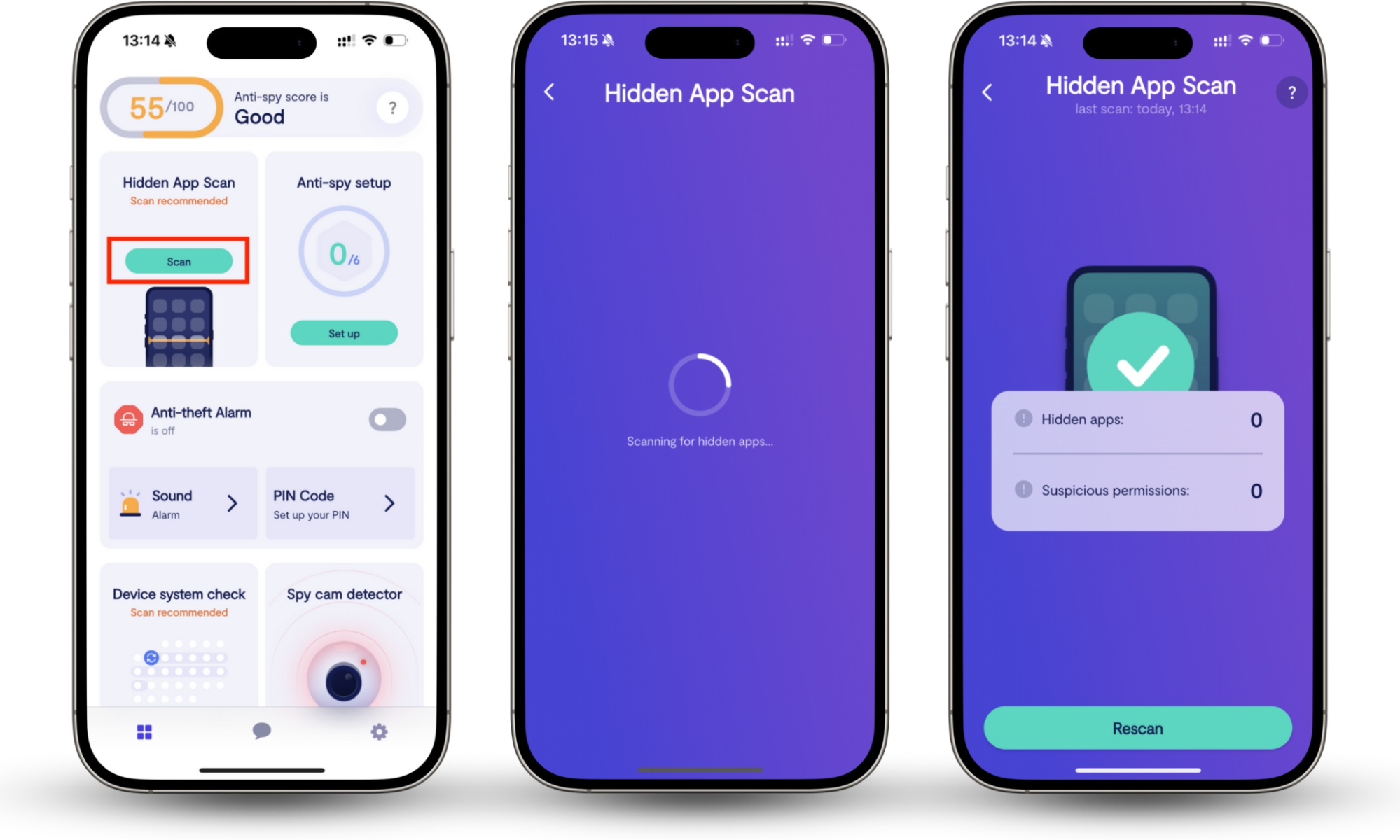
Clario Anti Spy’s Hidden app scan can search your phone for suspicious apps, so you know if your abuser is spying on you. It looks for hidden apps, as well as apps with suspicious permissions—if you see something you don’t recognize, it could be monitoring software.
If you’re worried that someone is spying on your phone, you aren’t alone. The Clario team recently spoke to a customer who was concerned that her partner was monitoring her. He always seemed to know who she was messaging. The Clario experts talked her through running a Hidden app scan, and she found a hidden app running in the background—monitoring everything she was doing.
How to check if your abuser is spying on your phone:
- Download Clario Anti Spy and set up a subscription.
- Under Hidden app scan, tap Scan.
5. Repeated emotional trauma
Narcissistic abuse is often ongoing. This repeated trauma can cause PTSD because you’re constantly stressed and don’t have a chance to recover.
Sometimes, the trauma doesn’t stop when the relationship ends. Some narcissists continue harassing you, even if you’ve gone no-contact with them. They might constantly call or message you, ask friends or family for information, or track your location.
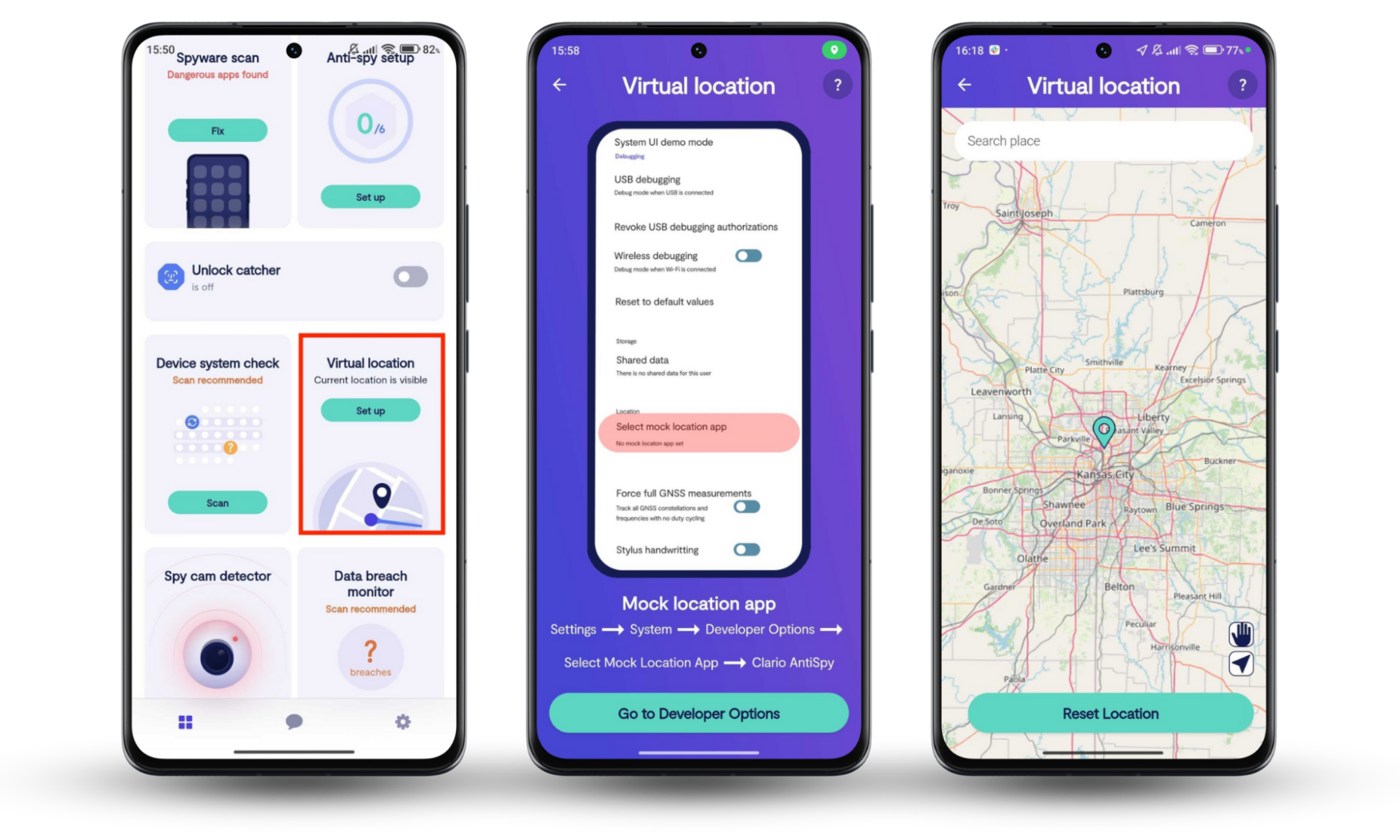
If you’re worried that your abuser is going to track you using your Android phone, Clario Anti Spy can help. The app’s Virtual location feature lets you replace your GPS location with a fake one, so stalkers can’t find you easily.
How to set up a fake location on your Android phone:
- Download Clario Anti Spy and subscribe.
- Under Virtual location, tap Set up.
- Follow the on-screen guidance to set a false location.
- Choose Reset location when you need to change your location.
Signs of PTSD from narcissistic abuse
If you’ve developed PTSD after a narcissistic relationship, you’ll probably notice some signs. You might have flashbacks, notice potential threats everywhere, or feel constantly irritable.
Narcissistic abuse PTSD symptoms can include:
- Having flashbacks
- Avoiding triggers
- Having anxiety or panic attacks
- Looking for threats everywhere, also called hypervigilance
- Feeling irritable and other problems with emotional regulation
- Having constant feelings of shame or guilt
- Having difficulty trusting others
- Struggling to sleep
- Having nightmares
Some survivors also notice physical symptoms. You might feel sick or have unexplained pain, feel very tired, or notice your heart racing.
How to heal from PTSD from narcissistic abuse?
Recovering from PTSD isn’t easy, but it is achievable. It’s important to get professional help—look for trauma-focused therapy, and spend time discovering what you enjoy doing. Rebuild your support system, and remember to tell yourself that you’re not at fault.
1. Trauma-based therapy
If you’ve developed PTSD after a narcissistic relationship, you’ll need professional support. Look for therapists who specialize in helping people heal from trauma.
A therapist can help you accept that you are not to blame. They can also help you identify the red flags of a narcissist, so that you know what to avoid in future relationships.
There are two main types of trauma-based therapy: trauma-focused cognitive behavioural therapy (TF-CBT) and eye movement desensitisation and reprocessing (EMDR):
- TF-CBT can help you build coping skills. It’s a type of CBT that was designed for trauma survivors, and it focuses on how you react to situations.
- EMDR can help you process the trauma. It involves making quick eye movements while recalling your experiences, and it can help reduce your PTSD symptoms.
2. No self-blame
You might blame yourself for your abuser’s behavior, or for developing PTSD, especially if your abuser told you that it was all your fault. However, no one deserves abuse—or to develop PTSD.
3. Grounding techniques
Many people with PTSD have panic attacks or flashbacks. Grounding techniques can help you focus on your surroundings, breathe more calmly, and anchor you in the present moment.
Grounding techniques to help with PTSD flashbacks:
- Box breathing: Breathe in slowly through your nose while you count to four. Hold your breath for another four counts. Breathe out slowly through your mouth while counting to four. Repeat the exercise until you feel calmer.
- 5-4-3-2-1 method: Name five things you can see, four things you can hear, three things you can touch, two things you can smell, and one thing you can taste.
- Get your hands wet: Put your hands in a bowl of water, or run them under the faucet. Focus on the temperature and how the water feels on your hands.
4. Group therapy
You may want to try group therapy. It can help you connect with other people who have been through similar experiences.
Advantages of group therapy:
- It’s often cheaper than one-on-one counseling sessions
- It can give you a sense of community
- Seeing other survivors can inspire you
- Working with a group can give you accountability with your recovery goals
However, some people might not feel ready to share their experiences with a group. Others might worry about confidentiality or want more personalized attention from a therapist. For some abuse survivors, group therapy works well in conjunction with individual therapy.
5. Engage in joyful activities
Spend time doing things that make you happy. If you’ve been in an abusive relationship, you may have been so focused on surviving that you stopped spending time on hobbies and other activities that bring you joy.
Focus on what makes you happy. This might be reading a good book, going for a run, or cooking a favorite meal—whatever it is, try to make time for it as you recover from PTSD after a narcissistic relationship.
6. Acceptance
Accept that you’ve been through a traumatic experience, and that your feelings are valid and understandable. If your abuser regularly gaslit you, it might take time to accept that you’ve experienced something bad. A trained therapist can help you process it and start to recover.
7. Build support network
Narcissists might isolate you from your friends and family. However, as you recover from the abuse and start to rebuild your life, you should reach out to your loved ones—they can help to comfort and reassure you.
If you’ve just left an abusive relationship, your friends and family might also be able to provide practical support, too. They may be able to give you somewhere to stay, financial support, or help with childcare.
8. Prioritize physical well-being
Prolonged trauma can affect your physical health. Make sure that you eat well, get plenty of sleep, and try to exercise. If you’re having trouble sleeping or are worried about your health, talk to your doctor.
9. Focus on yourself
When you’re around a narcissist, they’re the focus of your life. You spend most of your time trying to placate them and make them happy. Now, you should focus on yourself. Take care of your health, do activities that you enjoy, and spend time with your loved ones.
10. Reclaim your identity
What do you want from your own life? Spend some time thinking about your ambitions and values. You may want to make some changes to your life—perhaps you want to try something small, like a new hairstyle, or larger, like changing your career or moving to a different area.
11. Practice self-compassion
You might hear your abuser’s critical voice in your head every time you do something wrong. However, it’s important to be kind to yourself. You’ve experienced something awful, and now you’re dealing with a serious mental health condition. Give yourself some grace.
Be gentle with yourself while you’re recovering from narcissistic abuse. Think how you’d respond to a friend or child if they made a mistake—and treat yourself with the same kindness.
12. Make small choices
If your abuser was controlling, you might not have made your own choices recently. Start making small decisions each day, and trust your instincts. Ask yourself what you want to eat for breakfast, what you want to wear, or what TV show you’d like to watch. There’s no wrong answer.
13. Set boundaries
Setting boundaries can help you recover. If you’re still in contact with your abuser, it will be very difficult to heal from your trauma.
Going no-contact could be your first boundary. However, some abusers may refuse to cut contact, harass you, or even stalk you. Find out how to cope with a narcissist stalking you.
Your therapist can help you set boundaries. Knowing how to say no and notice red flags can help you in the future—you’ll be able to spot the warning signs of other narcissists and avoid toxic relationships.
Conclusion
Unfortunately, long-term abuse can cause PTSD. You’re constantly alert, worried about how your abuser will act, and that can affect your mental health. Your brain is never able to relax. Even after you’ve left the relationship, you might have flashbacks, nightmares, or feel hypervigilant.
You can recover from PTSD after a narcissistic relationship. You should look for trauma-based therapy, build your support system, and focus on your health. Start by making small choices of your own to reclaim your life, and remember to keep yourself safe. If you’re worried that your abuser won’t let you go, use Clario Anti Spy to make sure they aren’t tracking you.