Table of contents
- Signs of Android infected with ad malware
- How to remove adware from Android
- Restart your Android in safe mode
- Remove admin permissions from suspicious apps
- Uninstall adware apps from Android
- Install antivirus to remove adware and protect your device
- How to stop adware on Android
- Protect yourself and be ad-free
Signs of Android infected with ad malware
Adware on Android usually shows up through behavior changes rather than a clear warning. Common signs include ads appearing outside the app you’re using, sudden browser changes, unusual battery drain, slower performance, and unfamiliar apps appearing on the device. These symptoms matter most when they happen across multiple apps or continue after you close your browser.
Important to know
Seeing ads inside a free app does not automatically mean your phone is infected. Adware is more likely when ads appear on the home screen, over other apps, or in parts of the device where ads would not normally appear. Some malicious apps abuse overlay-style behavior to force intrusive ads across the system.
It can be hard to tell if your Android is infected with adware or if an app or website just has a bunch of annoying pop-ups. Here are a few signs that could mean your Android is infected with malware:
- You’re seeing ads constantly. If you’re seeing ads no matter what app you’re using, it’s a telltale sign that your Android is infected with adware.
- Your web browser homepage has suddenly changed. Often, adware will update your browser’s homepage to an advertising website that they make money from. If your browser suddenly changes in this way, it’s time to scan your device!
- Your Android is much slower or apps are crashing. Because adware is resource-intensive, it may cause your Android phone to begin behaving weirdly. This can include slower loading and frequent app crashes.
- Your battery is draining very quickly. As above, adware is likely to cause your Android battery to drain far quicker than usual. If you spot this happening, you may have adware.
- Random apps are appearing. If you see an app (or a handful of apps) that you don’t remember installing, it’s very likely that your phone is infected with malware. If this is associated with a sudden increase in advertisements, you guessed it - you’ve got adware.
Some Android adware behaves like a potentially unwanted app rather than a traditional virus. Its main goal is usually to force advertising, redirect traffic, or push users into tapping misleading prompts, but in some cases it can also collect behavioral data or misuse sensitive permissions. That is why repeated ads should be treated as a security issue, not just an annoyance.
Not only is adware frustrating, but it is also very common and can be dangerous. Adware accounts for 50% of all mobile malware. Adware isn’t only frustrating, it can also be dangerous. Often, adware will try to trick you into granting it permissions on your Android so that it can display ads no matter which app you are using. Worse, though, is that it may be stealing your personal information including your banking credentials or contacts list.
Example
A user installs a simple utility app, such as a flashlight, cleaner, or wallpaper app, from an untrusted source. After installation, the app starts requesting extra permissions, changes browser behavior, or displays pop-ups even when the user is not actively using it. That pattern is more consistent with adware than with ordinary in-app advertising.
The most common way that people’s phones become infected with adware is by downloading apps from third-party or unknown sources. If you think you have adware, remember—do NOT tap anywhere on the pop-ups!
How to remove adware from Android
Removing malware (including adware) from your Android can be difficult, but we’re here to help. To remove adware from Android, the safest approach is to isolate the device, restart it in Safe Mode, remove elevated permissions from suspicious apps, and then uninstall any app you do not trust. This works because many malicious apps rely on third-party processes or special permissions to stay active and resist removal.
Follow these instructions step-by-step to delete the adware once and for all.
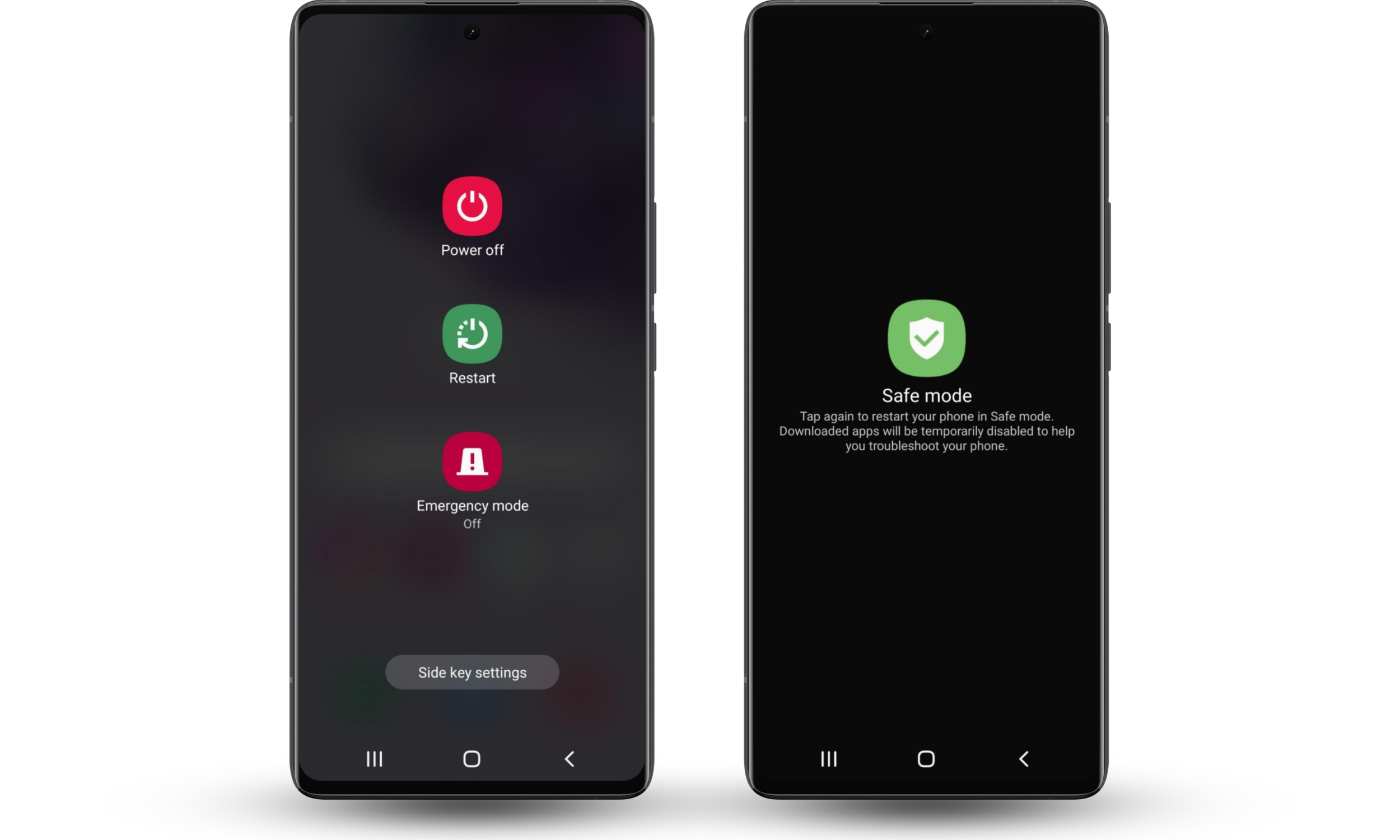
Restart your Android in safe mode
Safe Mode helps with malware removal because it temporarily prevents third-party apps from running. If the suspicious behavior stops in Safe Mode, that is a strong sign that an installed app, rather than Android itself, is causing the problem.
- Press and hold the power button until the power off menu appears.
- Tap and hold Power Off until the option for Safe Mode appears.
- Tap Safe Mode and wait for your phone to restart.
Remove admin permissions from suspicious apps
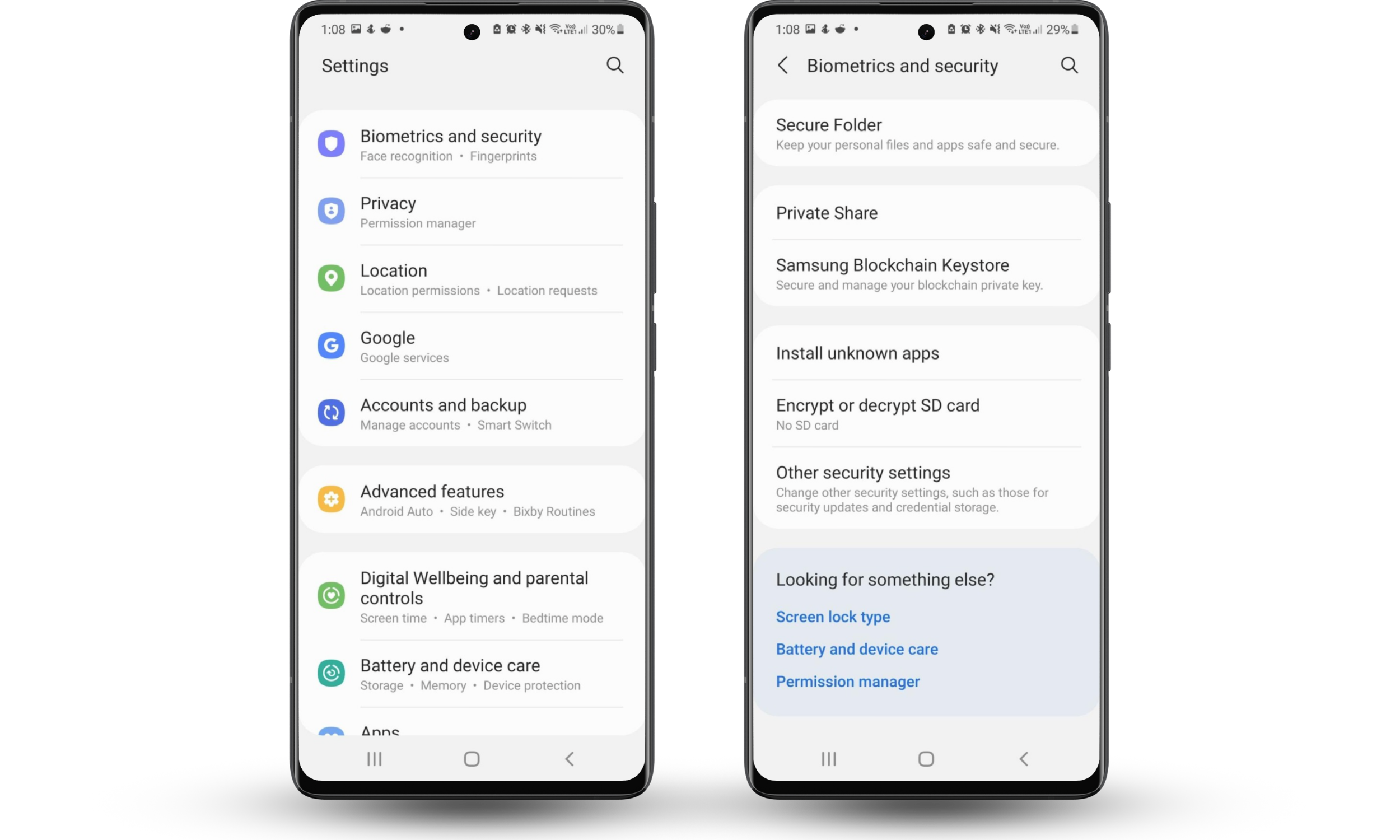
Some malicious Android apps try to make removal harder by asking for device administrator privileges. These permissions are designed for security and device-management functions, but they can also prevent a suspicious app from being uninstalled until that access is revoked.
- Open Settings.
- Tap Biometrics and Security.
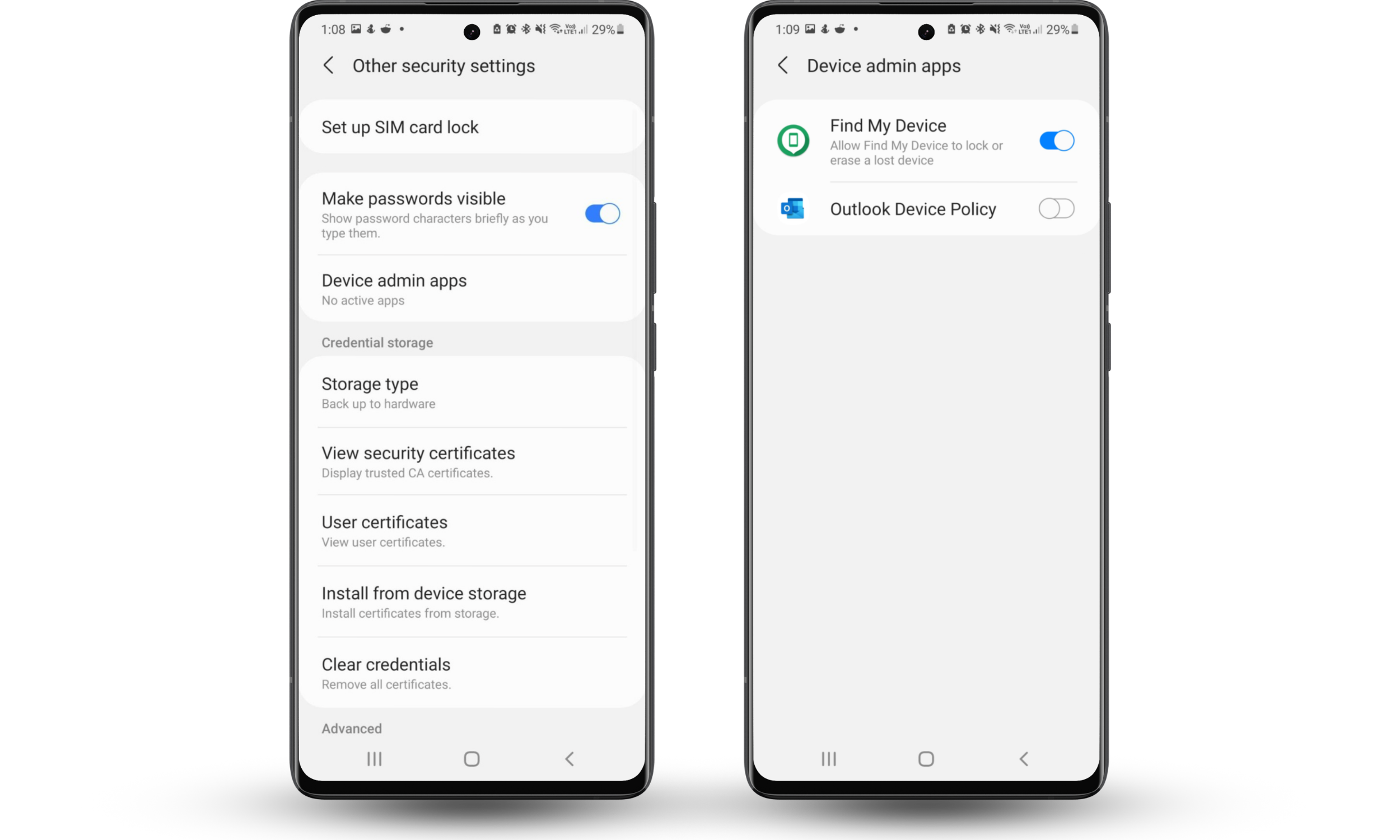
- Scroll down and tap Other Security Settings.
- Tap Device admin apps.
- Scroll through the list and revoke admin permission for any suspicious apps by tapping off the toggle button.
Uninstall adware apps from Android
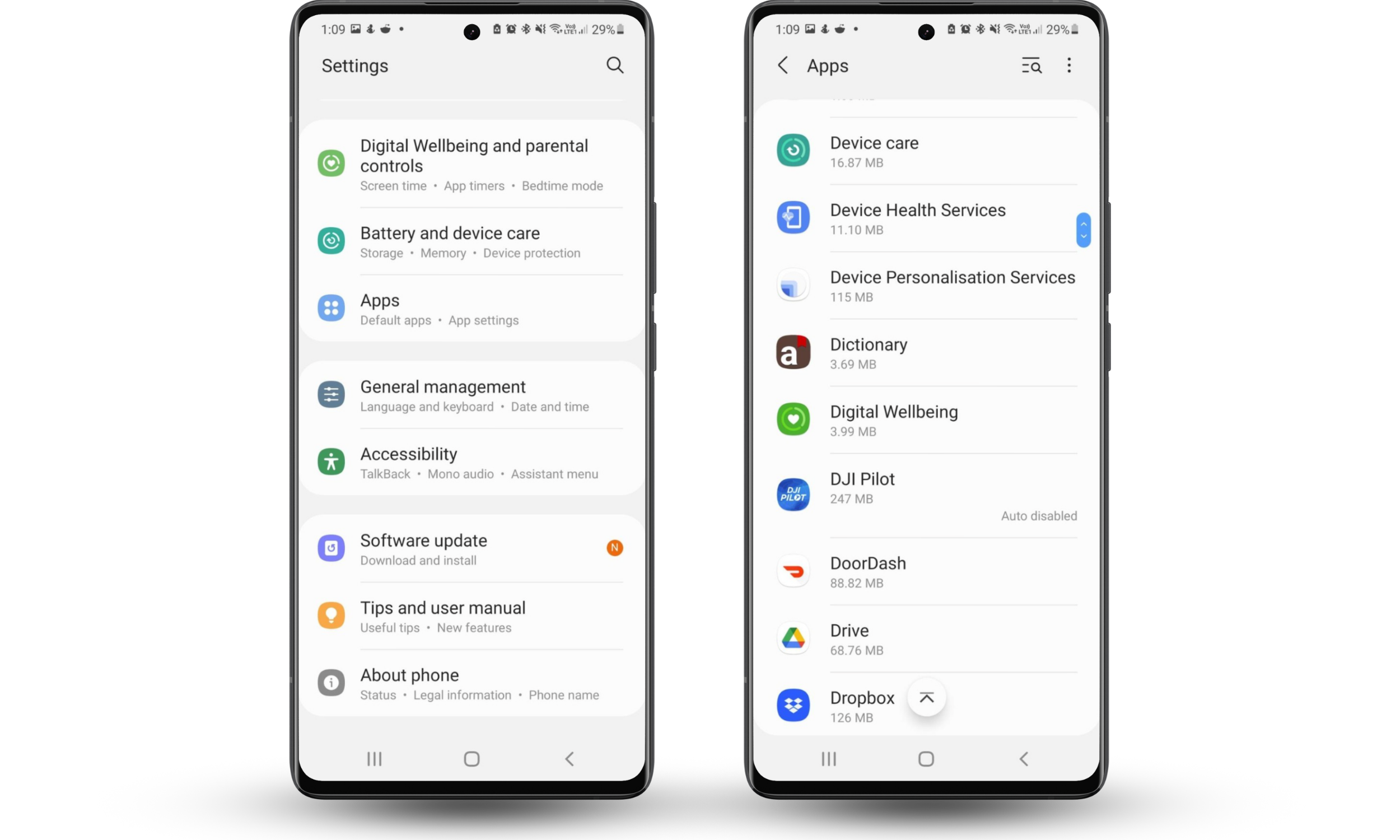
- Open Settings.
- Tap Apps.
- Scroll through the list and note any suspicious apps or apps you don’t remember installing.
- Tap on the suspicious apps and select Uninstall and then OK to remove them.
Security note
Remove every suspicious app you find, not just the one that seems most obvious. Adware sometimes arrives in bundles, and one installed app may reinstall or support another if related components are left on the device.
Install antivirus to remove adware and protect your device
To make sure your phone is free of privacy-invasive apps, use Clario Anti Spy. Its Spyware scan module can detect harmful software on Android that may compromise your security and privacy.
Here's how to run a Spyware scan with Clario Anti Spy:
- Download Clario Anti Spy and subscribe to create an account.
- Tap Scan under Spyware scan.
- Wait for the scan to complete.
- Check the scan report and follow the instructions to remove any harmful software.
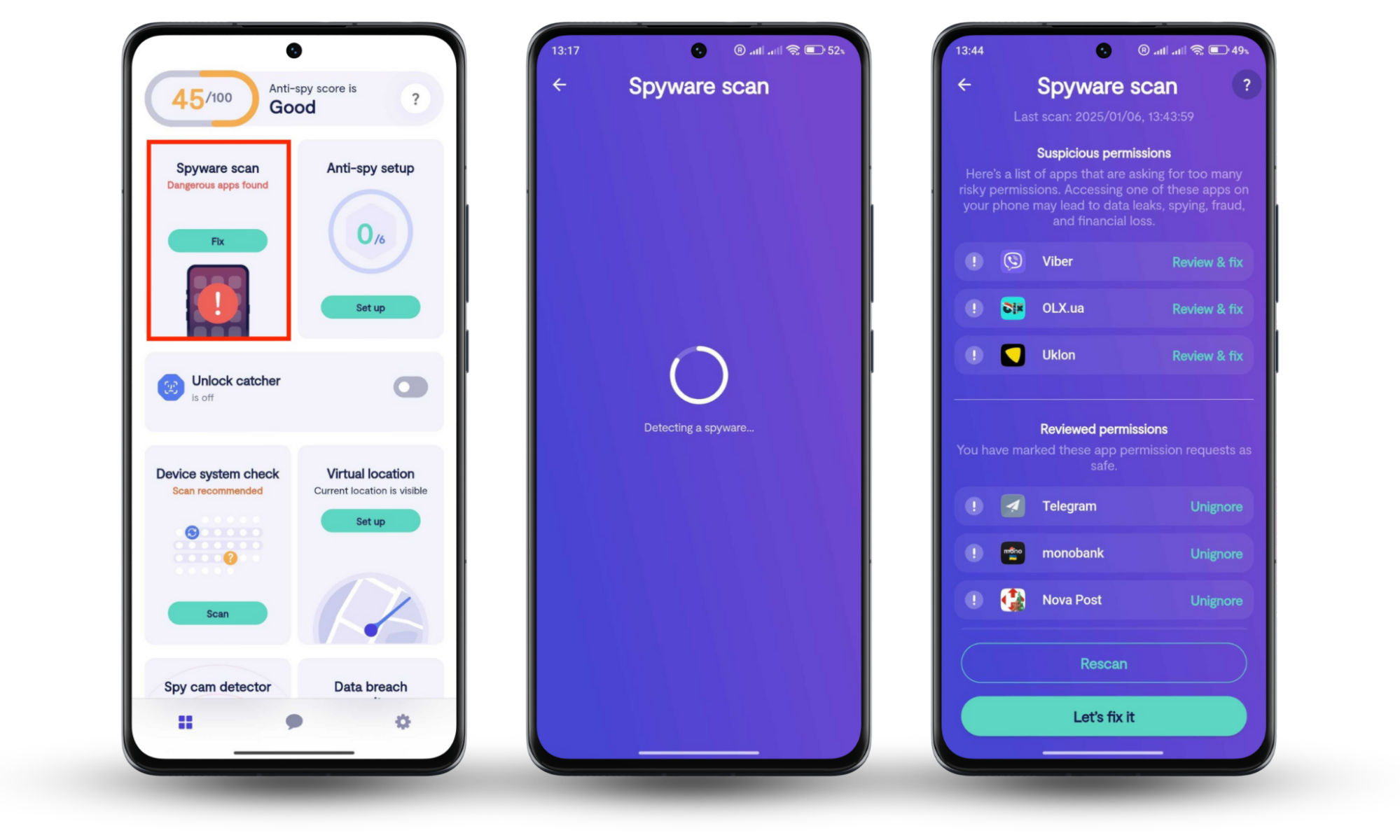
If you have any questions, tap the Message icon for 24/7 live support from a security expert.
Important to know
If suspicious behavior continues after Safe Mode checks, permission review, and app removal, the infection may be more persistent than ordinary adware. In that case, backing up important data and performing a factory reset may be the most reliable final option.
How to stop adware on Android
Preventing adware on Android mainly comes down to controlling what gets installed and what permissions apps receive afterward. The most effective habits are downloading apps from trusted sources, reviewing high-risk permissions carefully, keeping Android updated, and using built-in or reputable security scanning tools to catch harmful apps early.
With malware, it’s often said that prevention is better than cure. This is because some malware can interfere with or prevent you from installing or using anti-malware apps once they take hold. To stop adware on Android and prevent it from ever occurring, make sure to invest in a high-quality anti-spyware solution.
To reduce the risk of adware on Android, follow these habits:
- Install apps from trusted sources and avoid unknown download links or unofficial app stores.
- Review permissions before and after installation, especially if a simple app asks for unusual access.
- Be cautious with apps that want to display over other apps or request accessibility-related access without a clear reason.
- Keep Android and your apps updated so known security issues are patched.
- Use security scanning tools regularly to identify harmful or suspicious apps early.
For instance, Clario Anti Spy does more than just scan for spyware—it helps strengthen your device's security and privacy to keep malware out in the first place. Its Anti-spy setup walks you through key steps to protect your phone calls, online accounts, and social media, while a Device system check ensures you're running the most secure version of Android.
Important to know
Installing apps from a major app store lowers risk, but it does not eliminate it completely. Users should still monitor device behavior, review permissions regularly, and investigate sudden changes such as pop-ups, browser redirects, or unexplained battery drain.
Protect yourself and be ad-free
Long-term protection against Android adware depends on a mix of detection, cautious app management, and regular security checks. Removing one harmful app solves the immediate problem, but lasting protection comes from monitoring permissions, keeping the device updated, and catching suspicious behavior before it becomes persistent.
There’s nothing worse than realizing your phone is infected by malware. One minute, you’re happily browsing; the next, you’re frantically trying to find out how to remove adware so your phone isn’t compromised. Hopefully, this article helped you get rid of the adware plaguing your Android. Don't forget to install Clario Anti Spy to make sure that the device is completely free of spyware and to minimize the risk of accidentally infecting it with adware going forward.