Table of contents
- Essential parental restrictions you can apply to your iOS device
- What parental controls are available on iPhone and iPad?
- How to put parental controls on iPhone, iPad, or iPod
- Set up screen time limitations
- Prevent unnecessary iTunes and App Store purchases
- Block inappropriate content
- Block specific websites
- Disable certain apps
- Restrict Siri from searching the web
- Try guided access
- Adjust Game Center permissions
- Restrict in-app purchases
- What are the limitations of iPhone parental controls?
- How to prevent my child from clicking a malicious link?
- Conclusion
Essential parental restrictions you can apply to your iOS device
Parental controls on iPhone and iPad help parents manage screen time, filter age-inappropriate content, restrict purchases, control web access, and limit certain device features. Most parental settings are managed through Apple's Screen Time and Content & Privacy Restrictions tools, which allow parents to create a safer digital environment for children while maintaining access to age-appropriate apps and services.
iPhones and iPads are powerful tools when it comes to organizing work, connecting using social media or just going about our day-to-day business. For kids, they can be a brilliant form of fun and keeping up with their friends too. Yet, they can also expose them to certain risks - perhaps explicit content or too much screen time.
Thankfully with Apple parental controls, there are plenty of reliable built-in resources to manage what kids can do on an iPhone or iPad.
Below, you will find some ways of applying parental restrictions on iPhone and iPad.
Important to know
In current versions of iOS and iPadOS, most parental controls are managed through Screen Time and Content & Privacy Restrictions. Depending on your device model and software version, some menu names or locations may vary slightly.
What parental controls are available on iPhone and iPad?
Apple provides a wide range of built-in parental controls through Screen Time and Content & Privacy Restrictions. These tools allow parents to manage how children use their devices, limit access to certain content, restrict purchases, control online interactions, and monitor device usage. Most parental control settings can be configured directly on the device or managed remotely through Family Sharing.
The main parental control features available on iPhone and iPad include:
- Screen Time for monitoring and limiting device usage
- App Limits for restricting time spent in specific apps or app categories
- Downtime for scheduling periods when only approved apps can be used
- Content Restrictions for filtering age-inappropriate media
- Website Restrictions for limiting access to certain websites
- App Store and Purchase Restrictions for preventing unauthorized downloads and purchases
- Communication Limits for managing who children can communicate with
- Communication Safety features that help identify potentially sensitive content in supported experiences
- Guided Access for locking a device to a single app
- Game Center Restrictions for managing multiplayer gaming and online interactions
Together, these controls help parents create age-appropriate device experiences while allowing children to benefit from technology safely.
How to put parental controls on iPhone, iPad, or iPod
Apple parental controls allow parents to manage what children can access on an iPhone, iPad, or iPod Touch. Through Screen Time settings, parents can restrict apps, filter web content, block purchases, limit device usage, and apply age-appropriate content restrictions without installing additional software.
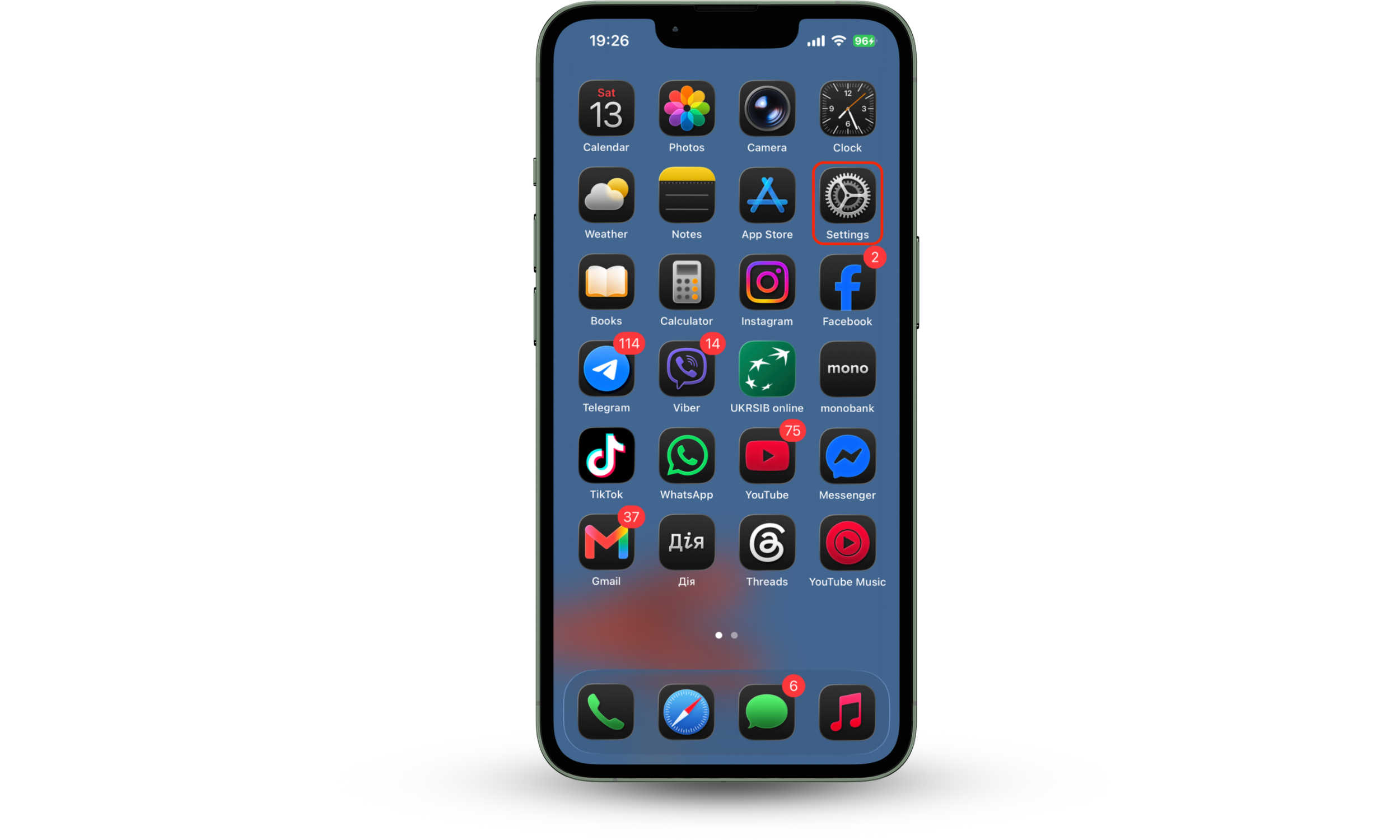
Your first port of call should be the Settings feature of your iPhone or iPad. This is where you can install many parental settings on iPhone, from monitoring app purchases and online games to blocking inappropriate content.
Note
For households with multiple Apple devices, parental controls are often easier to manage through Family Sharing. This allows parents to monitor and adjust settings remotely from their own device rather than making changes directly on a child's iPhone or iPad. Family Sharing can also support purchase approvals through Apple's Ask to Buy feature.
Set up screen time limitations
Screen Time is Apple's built-in digital wellbeing and parental control system. It allows parents to monitor device usage, create app limits, schedule downtime, and review activity reports that show how much time children spend using apps, websites, and device features.
The World Health Organization suggests that children aged between two and five should only have one hour of screen time every day. This figure increases for older kids but it’s still important to monitor how much they use their phones. So to set up screen time limitations, you need to enable this function.
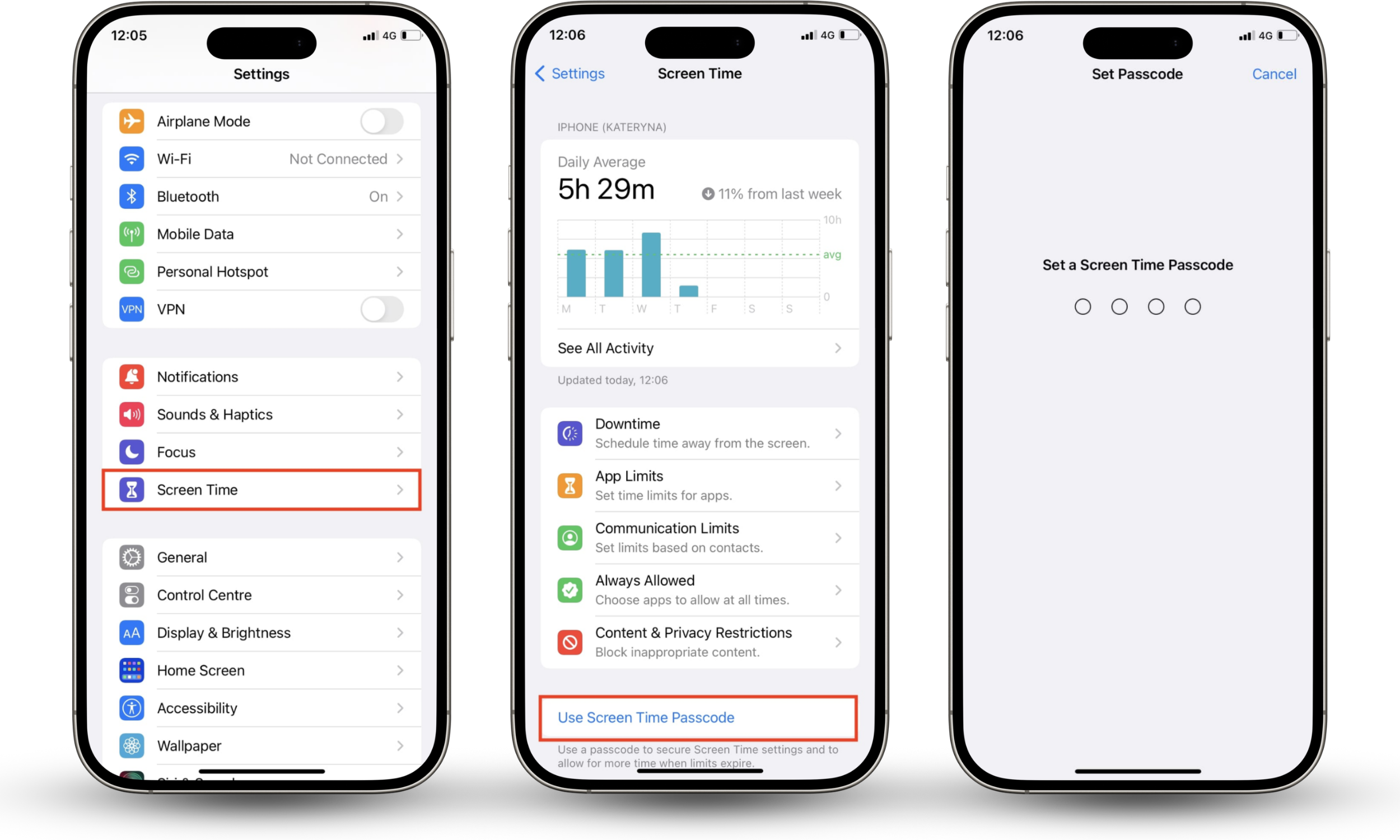
- You can do this by going to Settings, then heading to Screen Time.
- Once in Screen Time, then head to Use Screen Time Passcode.
- Then you can set up your passcode by tapping Use Screen Time Passcode.
Important to know
Screen Time limits work best when protected with a unique passcode that children do not know. Parents should also periodically review usage reports, as children may request additional screen time through Apple's built-in approval system or switch between multiple devices if restrictions are not applied consistently across all devices.
Now you have enabled Screen Time, you can start to apply other Apple parental controls to protect children from any online risks.
Prevent unnecessary iTunes and App Store purchases
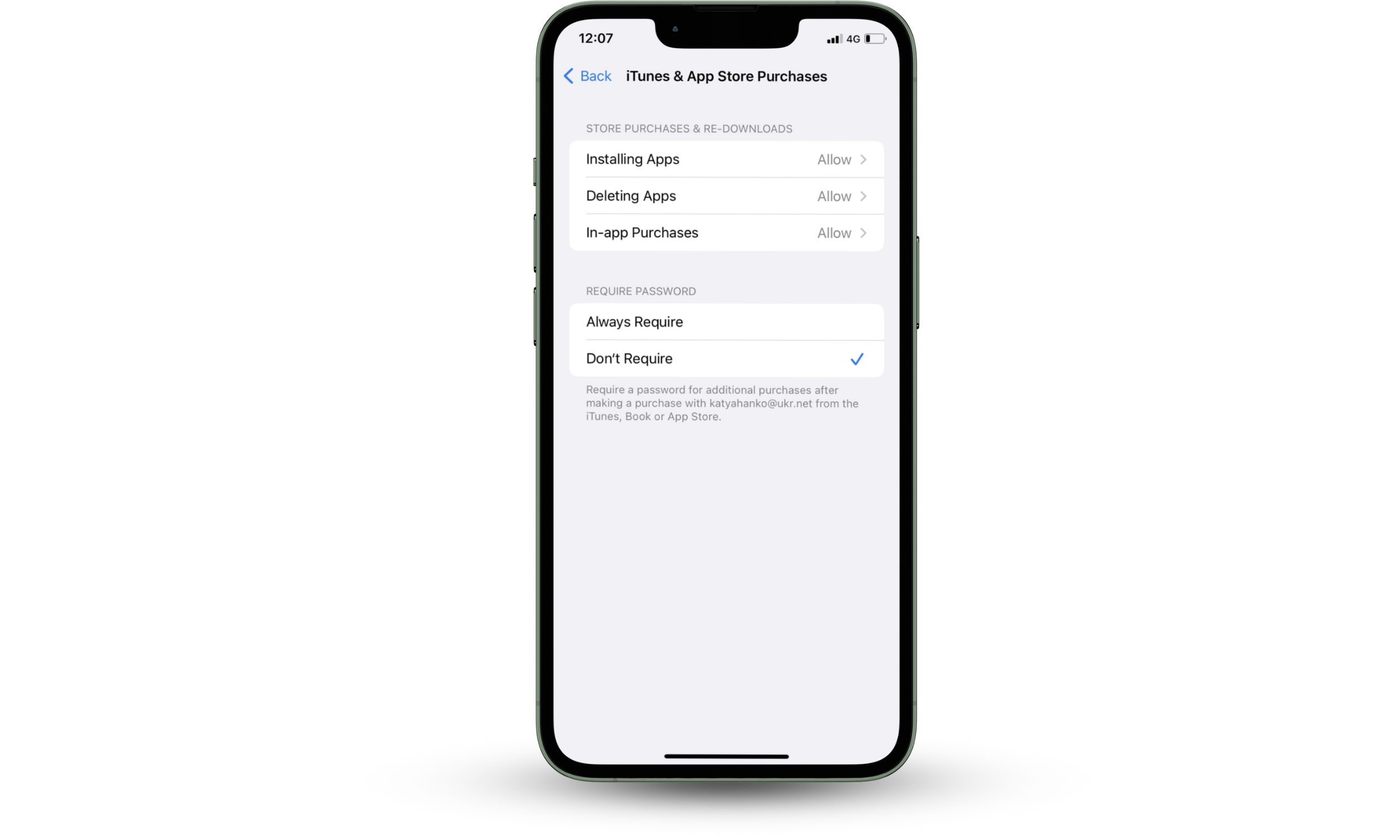
Purchase restrictions help prevent accidental spending and unauthorized downloads. Parents can control app installations, app deletions, in-app purchases, and account-related changes through Content & Privacy Restrictions, reducing the risk of unexpected charges.
It can be very easy to accidentally make purchases on iTunes or the App Store if your parental controls on iPad or iPhone child mode aren’t set up correctly. But it’s straightforward to prevent this from happening.
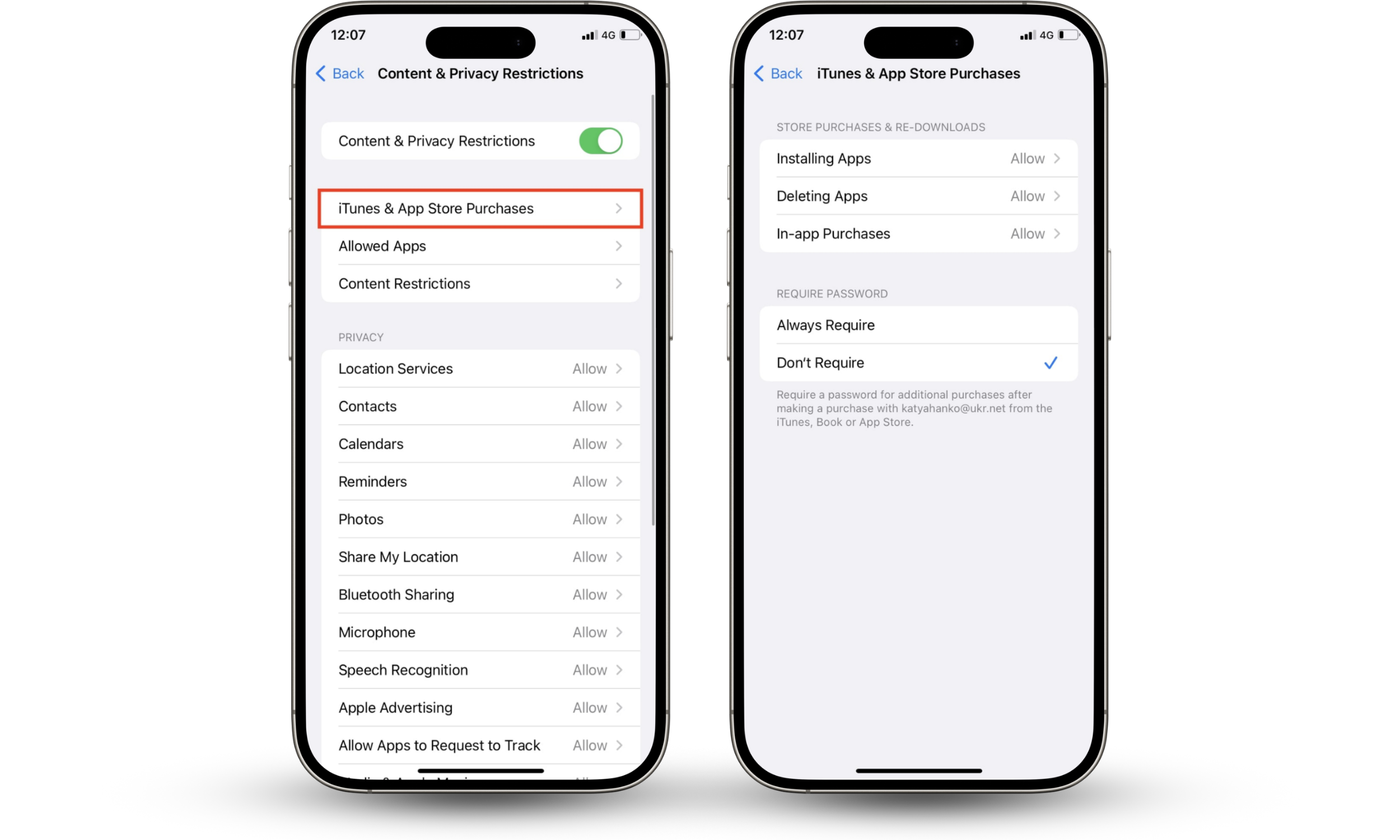
- Go to Settings, then access Screen Time.
- Then tap Content & Privacy Restrictions.
- Then head to the iTunes and App Store Purchases option.
- Once in here, you can choose a setting to prevent the installation or deletion of apps or any in-app purchases.
Security note
Restricting in-app purchases helps prevent many accidental charges, but parents should also review active subscriptions periodically. Some apps offer recurring subscriptions that may continue renewing until cancelled.
Block inappropriate content
The biggest concern many parents have is to prevent their kids from inadvertently coming across explicit content or websites that are not age-appropriate. Content Restrictions allow parents to limit access to age-inappropriate media across Apple services and supported apps. These controls can restrict movies, TV shows, music, podcasts, books, and other content based on Apple's content rating system.
Understandably, many parents are also uncomfortable with the idea of their young children using social media platforms where they could be in contact with strangers. This is where iOS parental controls and iPad parent controls can come into their own by preventing this from happening.
- Go to Settings, then Screen Time.
- From here, select Content & Privacy Settings, then Content Restrictions.
- Here you can choose the kind of media you want to restrict access to, whether it be music videos, podcasts, TV shows, or movies.
Block specific websites
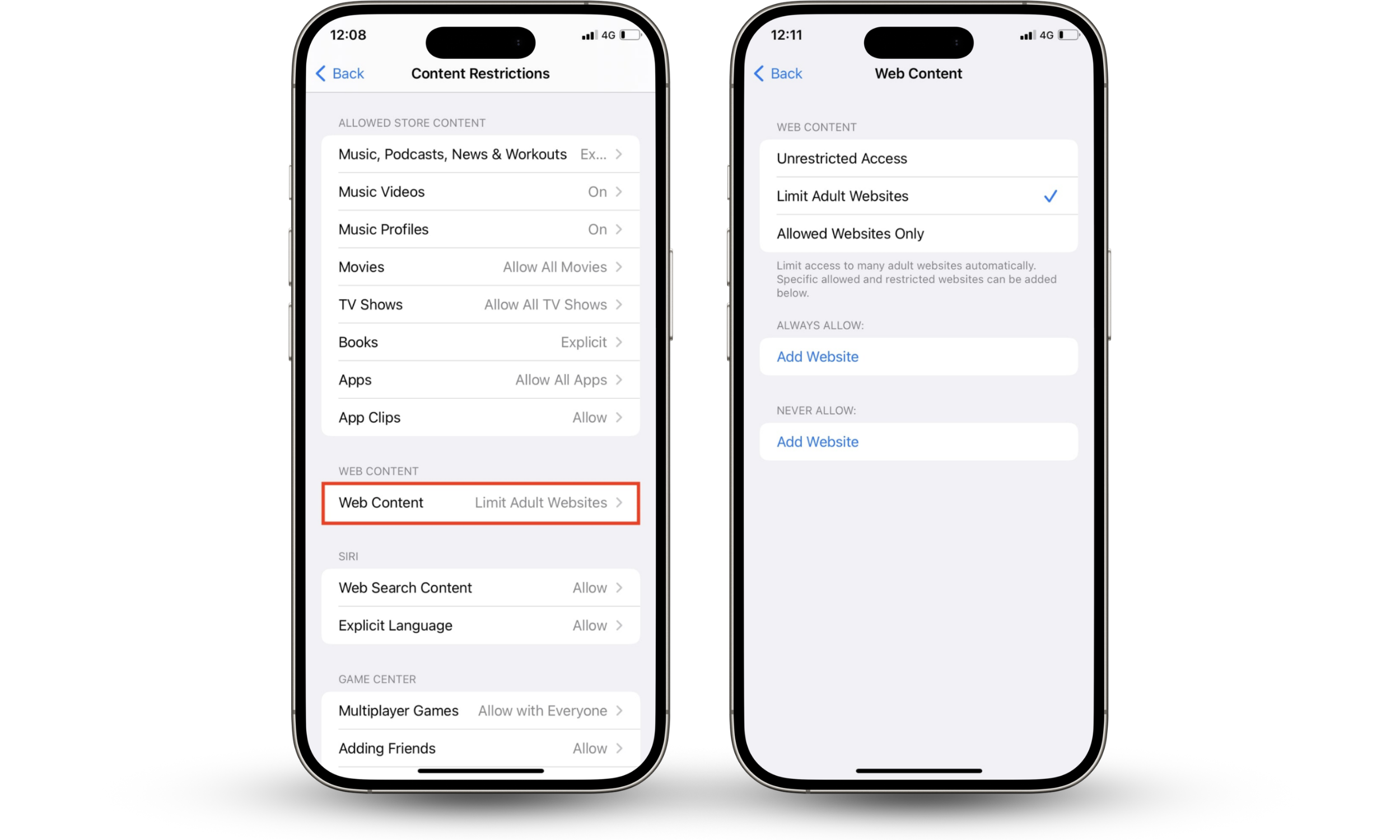
Website restrictions provide an additional layer of online protection by limiting access to certain websites or categories of content. Parents can either block known adult websites or create an approved list of websites that children are allowed to visit.
Parental controls on iPhone can also be used to prevent access to specific websites. Again, this is fairly straightforward to set up.
- Go to Settings, then Screen Time.
- Then select Contact & Privacy Settings.
- From here, select Content Restrictions, then Web Content.
- Here you can allow access to specific websites only - or alternatively limit access to adult websites.
Security note
Website filtering reduces risk but does not eliminate it completely. Children may still encounter links through messaging apps, gaming platforms, email, or social media. Parents should combine filtering with ongoing discussions about online safety and phishing risks.
Disable certain apps
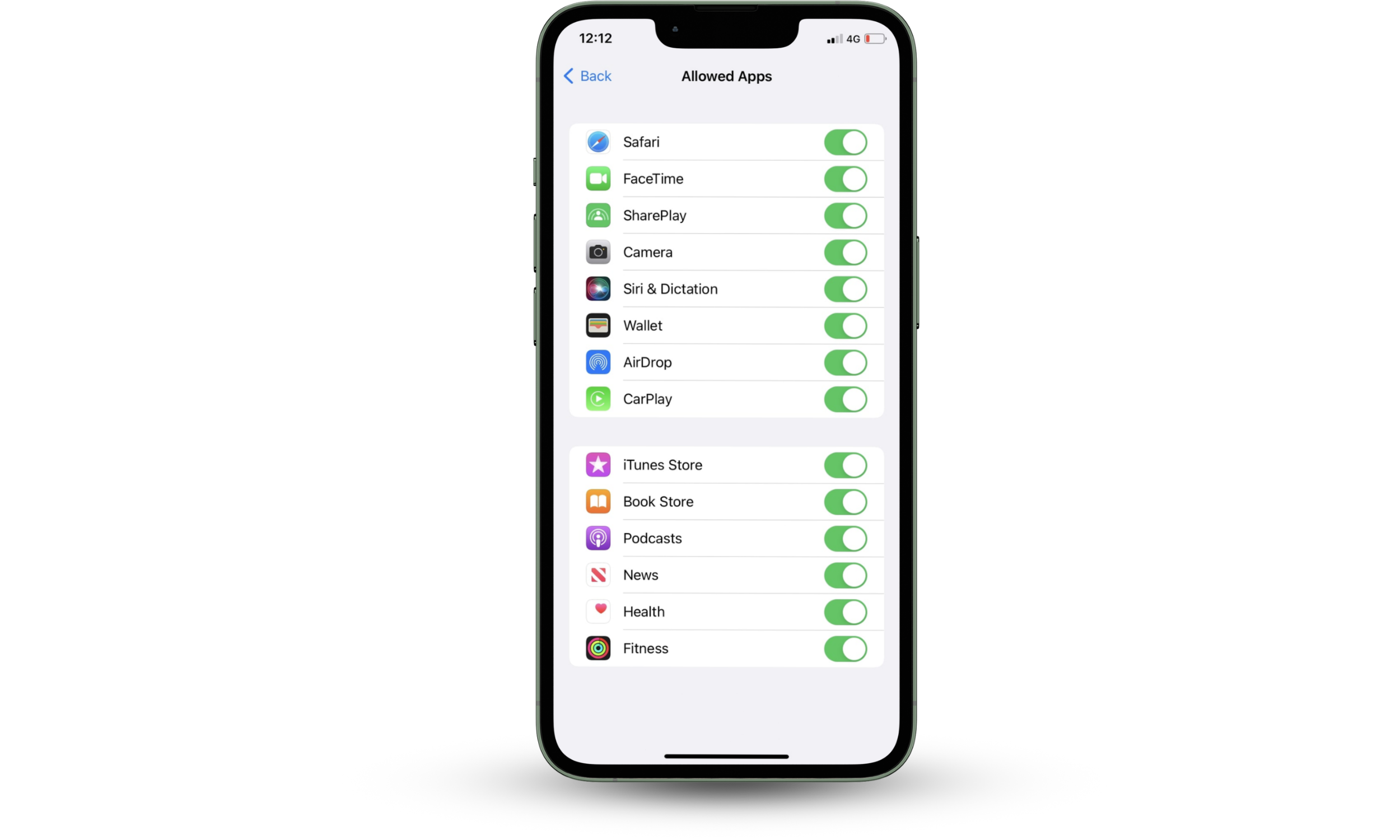
Some device features and applications may not be appropriate for all age groups. Restricting access to selected apps allows parents to reduce distractions, improve privacy, and limit exposure to services that are not yet suitable for younger users.
Some apps on your iPhone or iPad may be unsuitable for kids to access. But without the correct Apple parental controls in place, they could be seen by the wrong eyes. To prevent this, you need to:
- Go to Settings, then Screen Time.
- Then select Contact & Privacy Restrictions.
- When in this section, head to Allowed Apps.
- In this section, you will be able to toggle on and off permissions to access all the apps on your device.
Important to know
Some Apple system apps can be hidden through parental controls, while third-party apps may require additional restrictions through Screen Time settings or App Store content controls.
Disabling apps can help reduce access to services that may not be appropriate for children, but it is also important to understand what apps are installed on a device and what permissions they have been granted. Some apps request access to sensitive data such as photos, contacts, location information, or the camera.
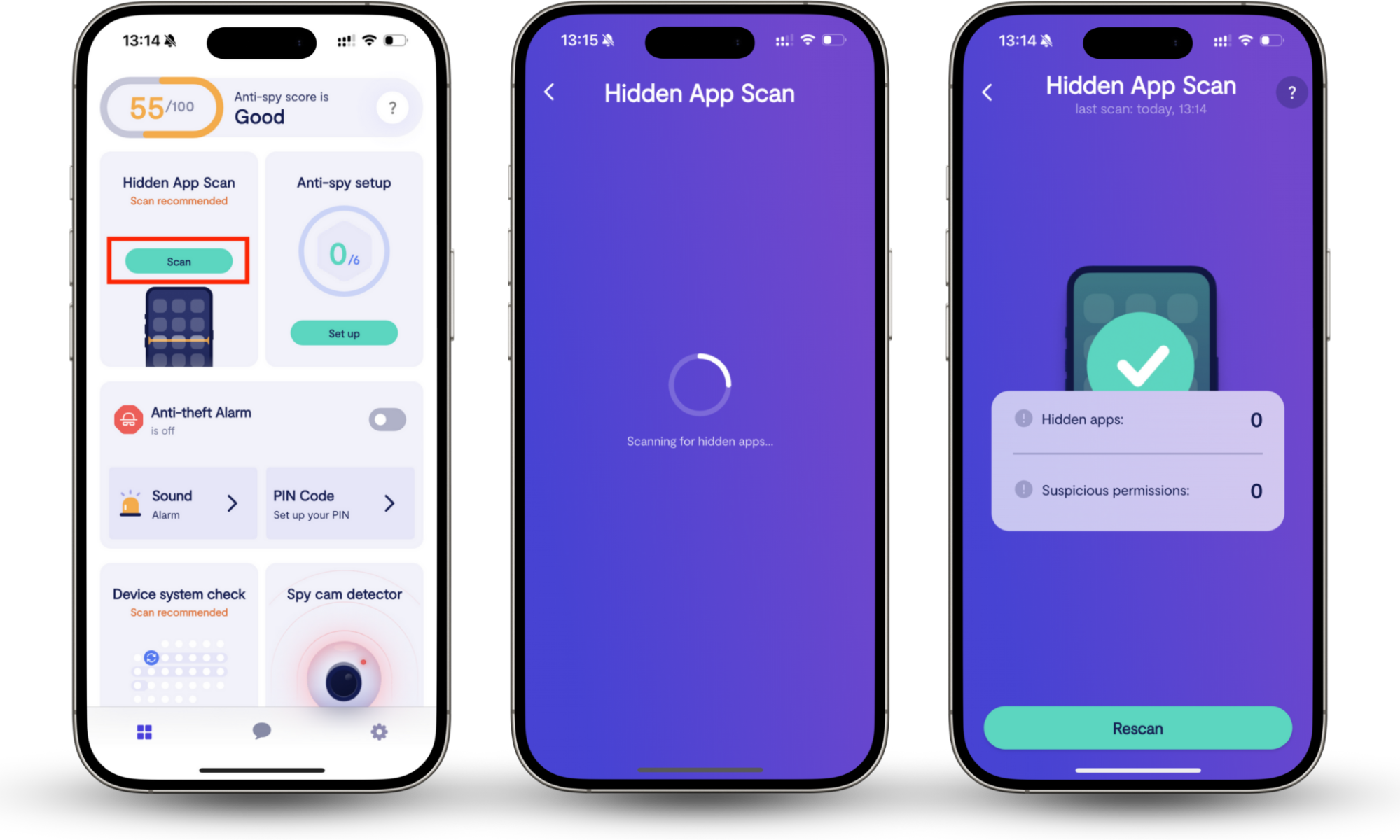
For parents who want additional visibility into device activity, Clario Anti Spy includes a Hidden app scan feature that reviews installed apps and their permissions to help identify software that may require closer attention. Used alongside Apple's built-in parental controls, it can provide an extra layer of awareness when managing a child's device.
How to find hidden apps with Clario Anti Spy’s Hidden app scan:
- Download Clario Anti Spy and set up a subscription.
- Under Hidden app scan, tap Scan.
Restrict Siri from searching the web
Voice assistants can quickly retrieve information from the internet without requiring users to manually browse websites. Restricting Siri web search results helps reduce the likelihood of children encountering inappropriate content through voice-based searches.
Siri is a fantastic tool for searching the web, allowing us the convenience of just using our voices rather than having to type in search terms. But this also creates risks, potentially making it easier for young internet browsers to come across inappropriate sites or platforms. Thankfully, Apple has introduced some great parental restrictions on iPhone for just this scenario. Here’s how to set up parental controls on iPhone.
- Go to Settings, then Screen Time.
- Then select Contact & Privacy Restrictions.
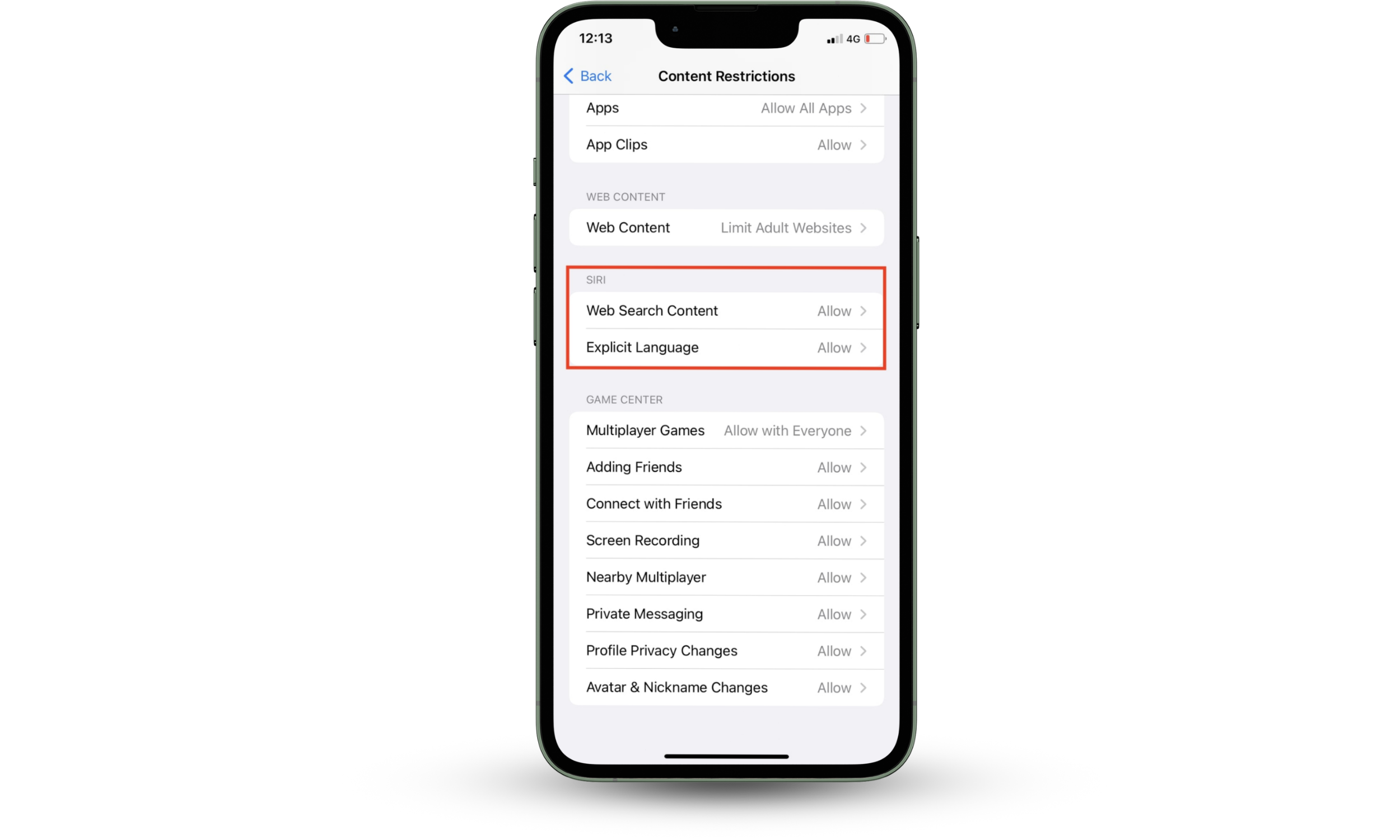
- Head to Content Restrictions. Then in this section, you can scroll down to find the section on Siri.
- Here you can utilize two functions. These are to stop Siri from searching the internet when you ask a question and to prevent it from displaying any explicit language from a search.
Try guided access
Guided access is an effective parental control on iPhone when a child is using an app. This feature prevents them from leaving the app and using any other function of a phone, whether this be searching online or just accessing other features. Here’s how to setup this parental control on iPhone.
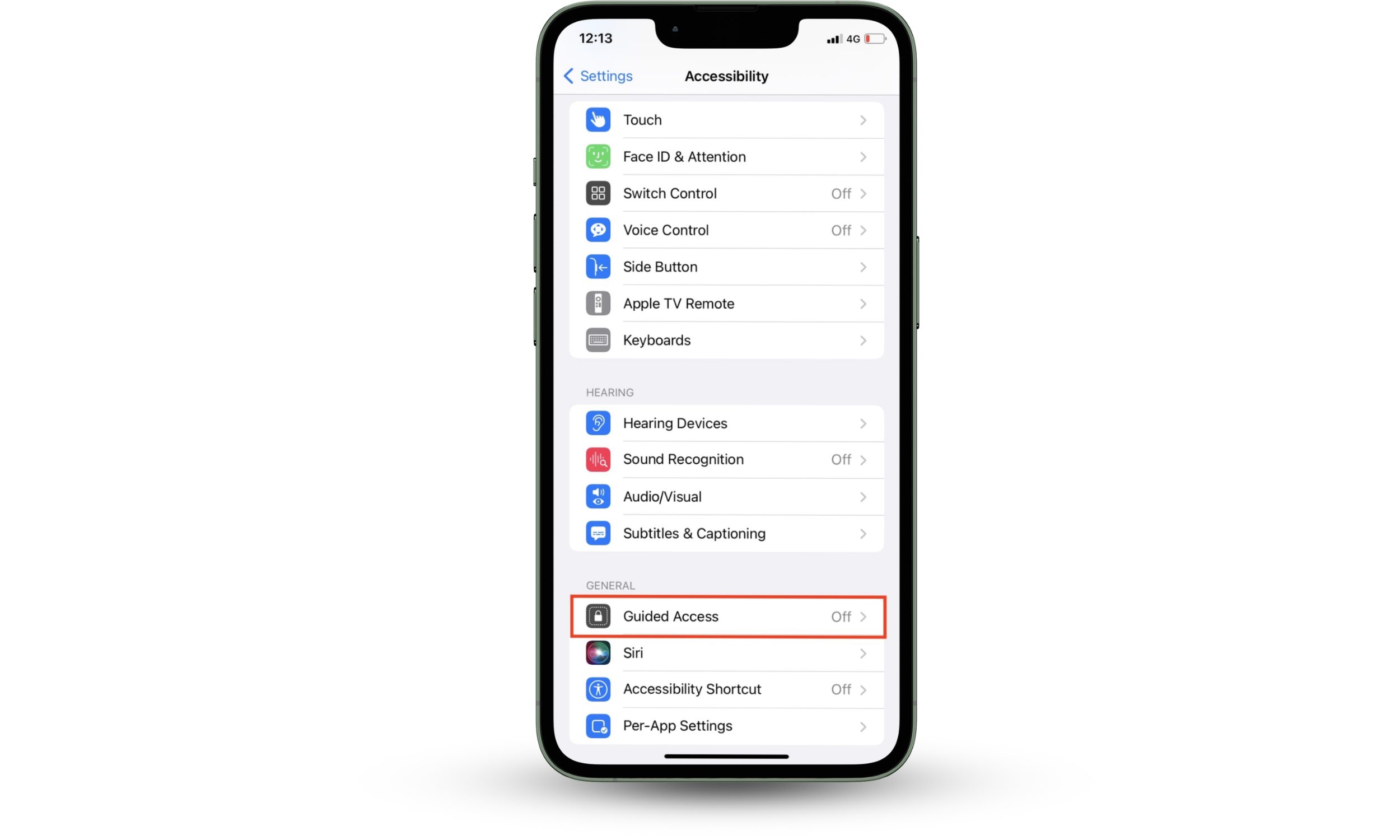
- Head to Settings, then open up Accessibility.
- Once in Accessibility, scroll down until you see Guided Access. Then you can toggle this on and off.
Parent use case
Guided Access can be especially useful during travel, restaurant visits, or homework sessions when a child only needs access to a single educational or entertainment app.
Adjust Game Center permissions
Game Center settings help parents manage how children interact with other players online. Restrictions can limit multiplayer gaming features, friend requests, profile visibility, and certain social interactions within supported games.
Many kids use iPhones and iPads to access games to play with their friends. But it can sometimes be impossible for worried parents to know who their children are interacting with when using them. For peace of mind, Apple has introduced some parental restrictions on iPhone to help.
- Go to Settings, then Screen Time.
- Then select Contact & Privacy Restrictions.
- Head to Content Restrictions. Then in this section, you can scroll down to find the Game Center.
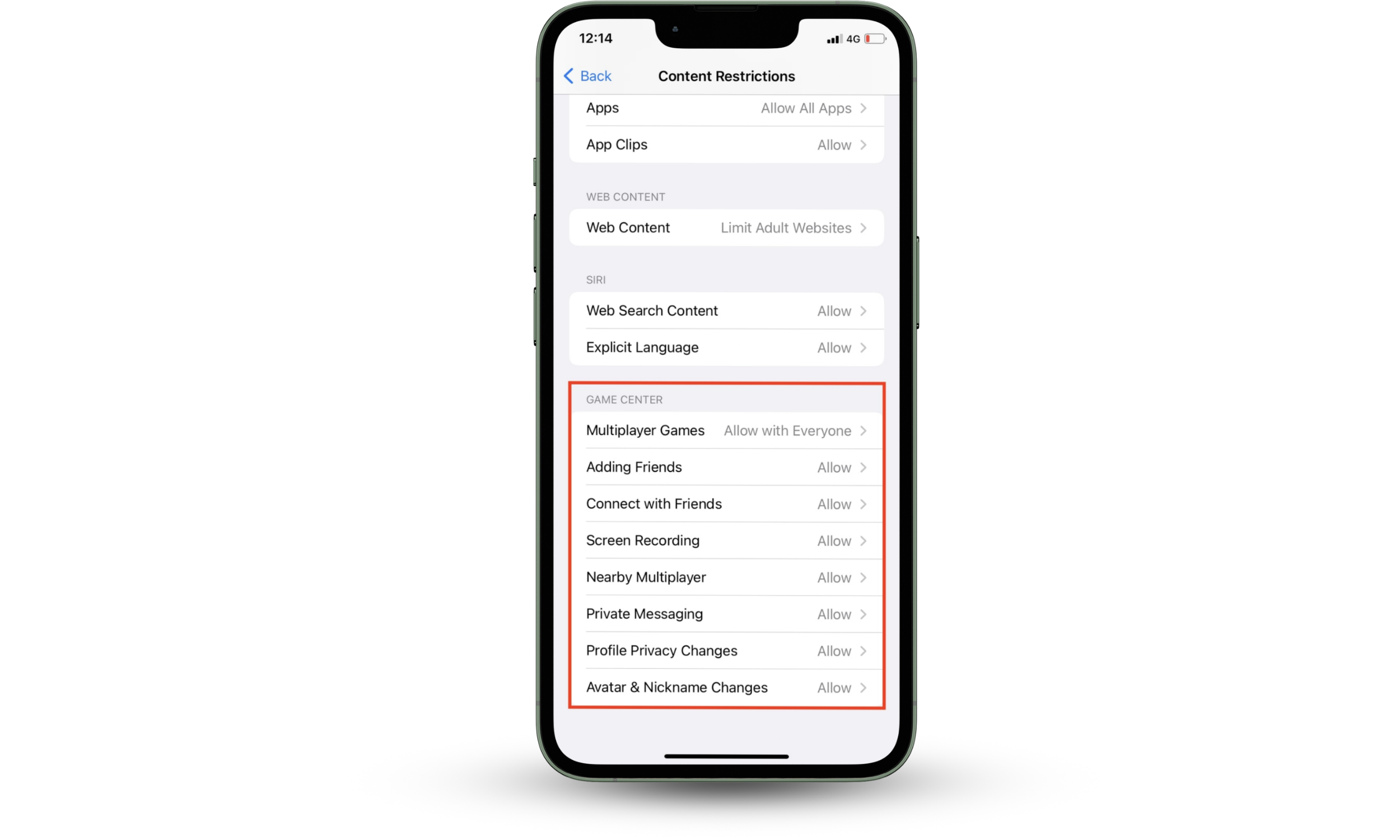
Here you can add numerous restrictions to your device by toggling these features on and off. This ranges from preventing screen recordings to when using games to stopping multiplayer games from taking place.
Restrict in-app purchases
Rather than exposing themselves to dangerous content, another risk is of a child inadvertently spending money on in-app purchases while using an iPhone or iPad. A simple and effective way around this is to restrict these from taking place.
- Go to Settings, then access Screen Time.
- Then select Contact & Privacy Restrictions.
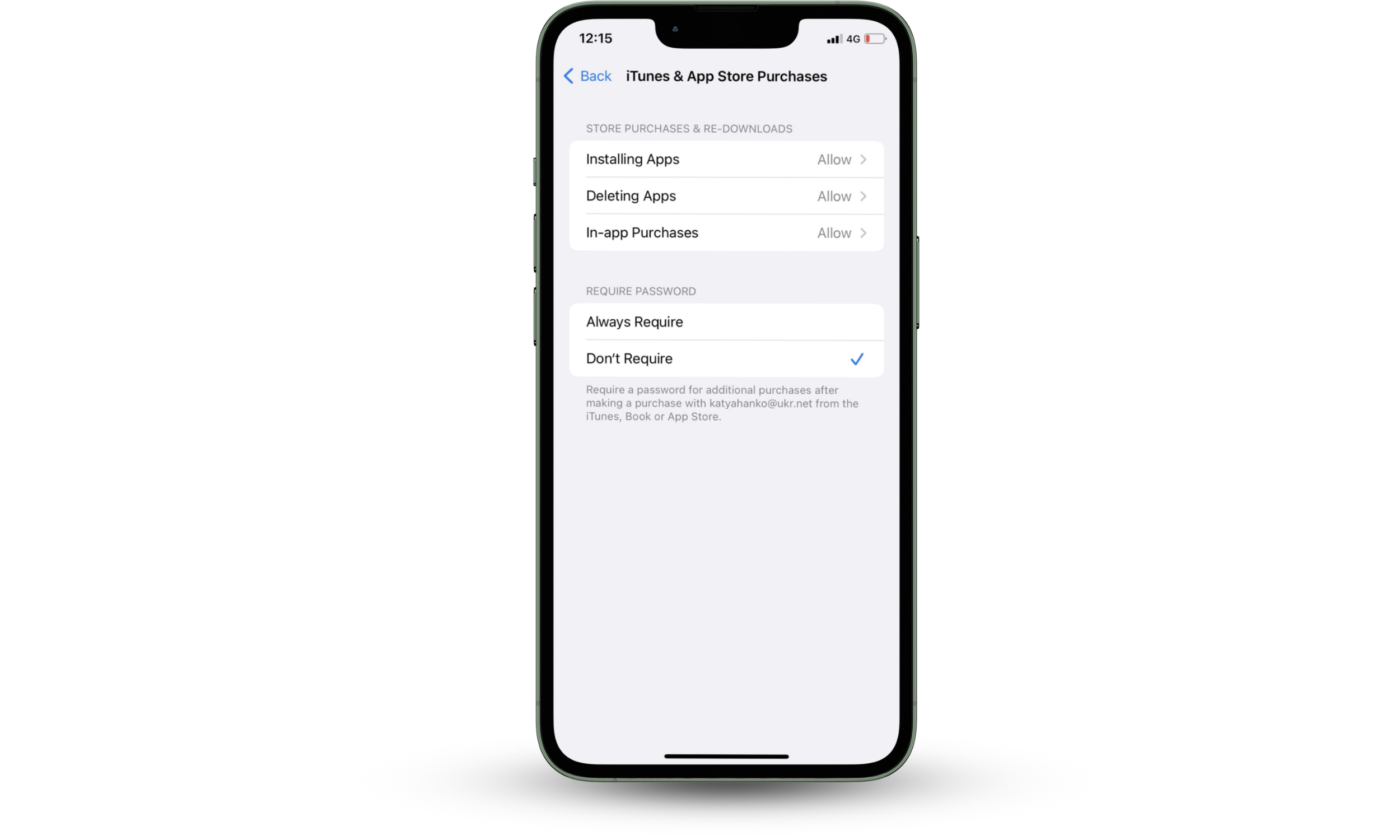
- When in this section, head to iTunes & App Store Purchases.
- Once in this section, you can allow or prevent in-app purchases from taking place.
What are the limitations of iPhone parental controls?
Apple's parental controls provide useful safeguards, but they are not a complete solution for every online safety concern. Understanding their limitations can help parents set realistic expectations and develop a more comprehensive approach to digital safety.
While parental controls can restrict access to apps, websites, purchases, and certain device features, they cannot guarantee that children will never encounter inappropriate content, phishing attempts, scams, or misleading information online.
Parents should also be aware that:
- Content filtering systems may not identify every inappropriate website or piece of content
- Online threats can appear through messaging apps, gaming platforms, social media, and email
- Restrictions applied to one device may not protect a child when using a different device
- Some parental control features work best when combined with Family Sharing
- Technical controls cannot replace ongoing conversations about online safety and responsible technology use
The most effective approach combines parental controls with regular discussions about privacy, digital citizenship, online scams, and safe internet behavior.
How to prevent my child from clicking a malicious link?
Malicious links are commonly distributed through text messages, gaming chats, social media platforms, email, and fake giveaways. Children may be particularly vulnerable because cybercriminals often disguise harmful links as rewards, videos, free items, or messages from friends.
To reduce the risk of malicious link exposure, parents should:
- Enable website restrictions through Screen Time
- Restrict access to age-inappropriate apps and services
- Teach children not to click unexpected links from unknown senders
- Review privacy settings on social media and gaming platforms
- Discuss common phishing tactics such as fake prizes, urgent warnings, and account verification requests
- Regularly review browsing and app activity together
Security note
No parental control system can completely eliminate online threats. Website filtering, content restrictions, and monitoring tools are most effective when combined with ongoing conversations about online safety, privacy, phishing attempts, and responsible internet use.
Conclusion
Apple's parental controls provide a solid foundation for managing screen time, restricting content, limiting purchases, and helping children navigate the digital world more safely. However, parental controls are most effective when combined with regular conversations about online safety and periodic reviews of device settings. For additional visibility into what's installed on a device, Clario Anti Spy's Hidden App Scan can help identify apps and permissions that may require closer attention, giving parents extra confidence when managing their child's digital environment.